
Search
36 results for “Artifact”
- SectionHistorical
Historical Evidence
Archaeology, ancient manuscripts, and non-Christian sources that support the Bible's history and the life of Jesus, from the Dead Sea Scrolls to Tacitus. - ToolHistorical
Historical Atlas
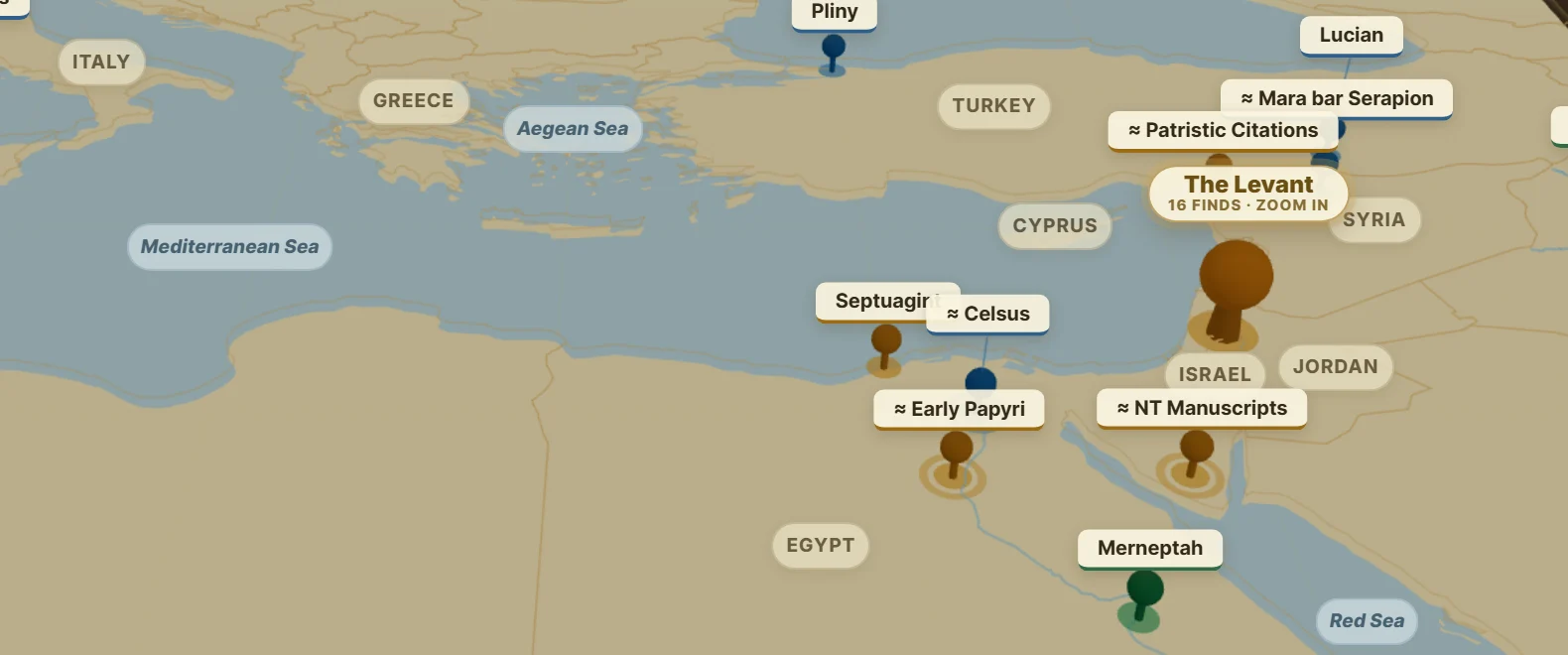 Locate archaeological discoveries, inscriptions and manuscripts on a map of the biblical world.
- ArticleHistorical
The Nazareth Decree
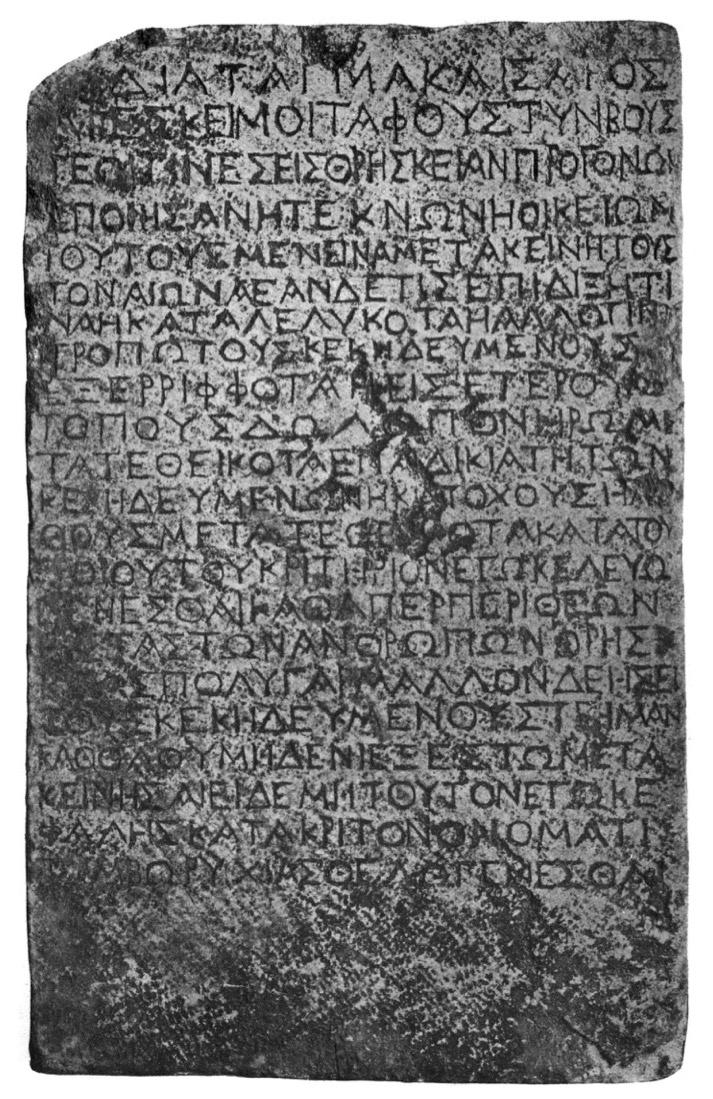 The Nazareth Decree shows Roman tomb laws and circumstantial evidence tied to Jesus’s resurrection and other possible origins.
- ArticleHistorical
The Tel Dan Stele: From Myth to History
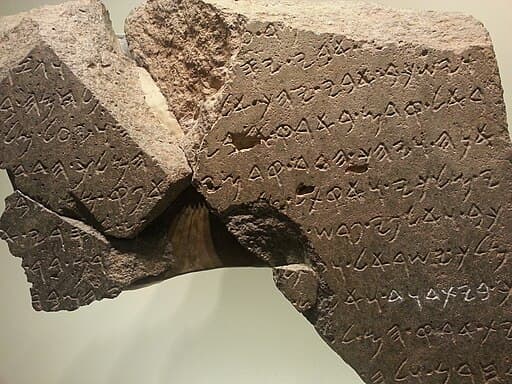 Discover how the Tel Dan Stele provides the first historical evidence of King David and his dynasty outside the Bible.
- ArticleHistorical
The Pilate Stone: Archaeological Evidence of Pontius Pilate
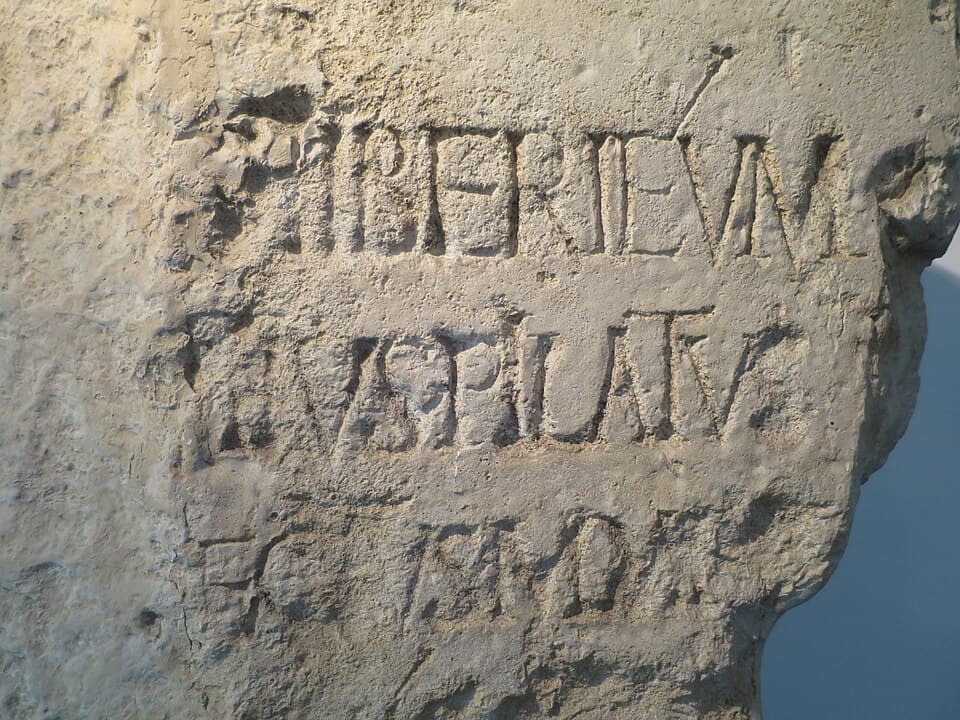 Explore how the Pilate Stone confirms Pontius Pilate’s role as Roman governor and reinforces the historical reliability of the New Testament.
- ArticleHistorical
The Caiaphas Ossuary: Archaeological Evidence of the High Priest
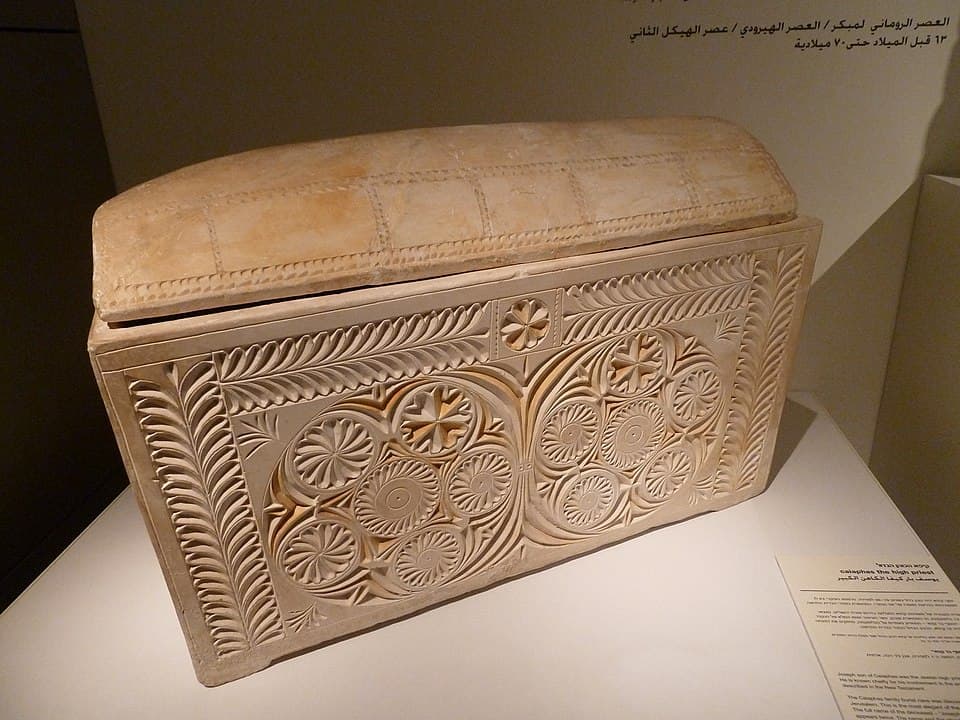 The Caiaphas Ossuary provides strong archaeological evidence for the high priest from Jesus's trial and the New Testament's historical setting.
- ArticleHistorical
Tacitus on Jesus
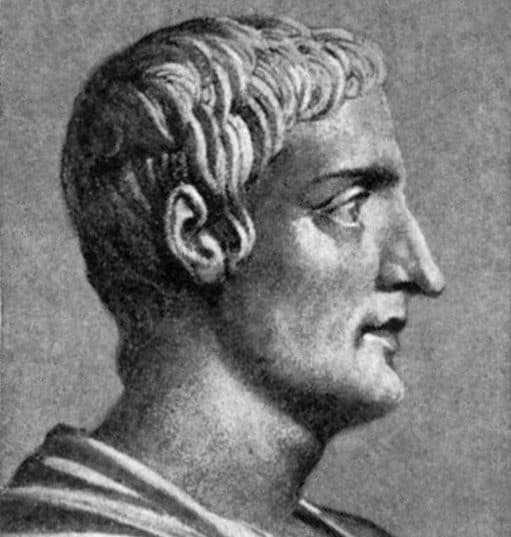 Writing in the early second century, Tacitus provides Roman testimony to Jesus’s crucifixion under Pilate and the persecution of Christians under Nero.
- ArticleHistorical
Dead Sea Scrolls
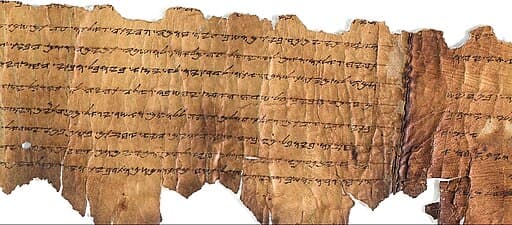 Often hailed as one of the greatest archaeological discoveries, the Dead Sea Scrolls bridge a millennium of biblical history & prophecy.
- ArticleHistorical
The Cyrus Cylinder
 What the Cyrus Cylinder confirms about Persian restoration policy—and what it does not prove about Jerusalem or Daniel 9’s starting decree.
- ArticleHistorical
The Mesha Stele (Moabite Stone)
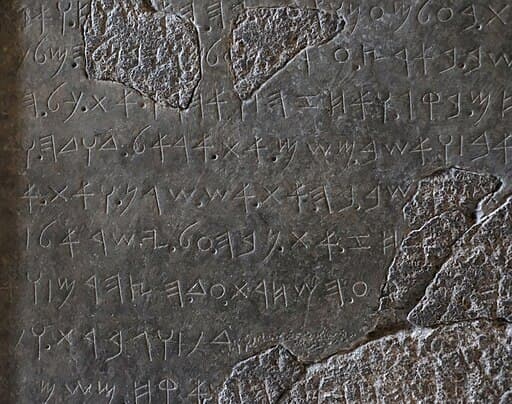 Mesha Stele (Moabite Stone) confirms King Omri & the revolt in 2 Kings 3. Explore the Moabite Stone's account and the 'House of David' debate.
- ArticleHistorical
The Masoretic Text: The Standard Hebrew Bible
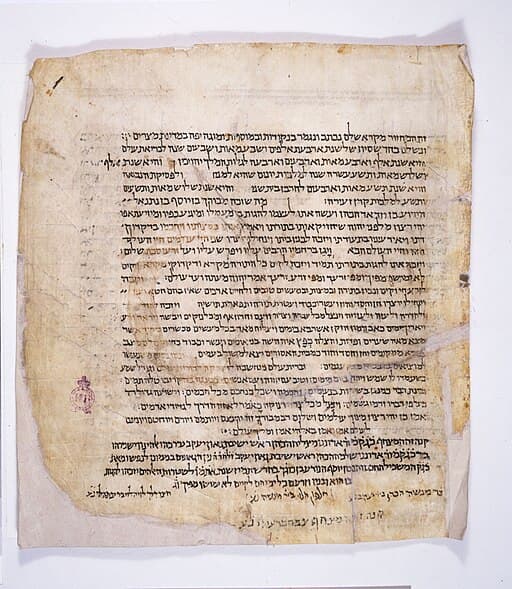 Explore the Masoretic Text, the traditional Hebrew version of the Old Testament. Learn how Jewish scribes preserved Scripture from ancient times, its relation to the Septuagint, and its enduring influence on modern Bible translations.
- ArticleHistorical
The Ketef Hinnom Silver Scrolls: Earliest Biblical Text
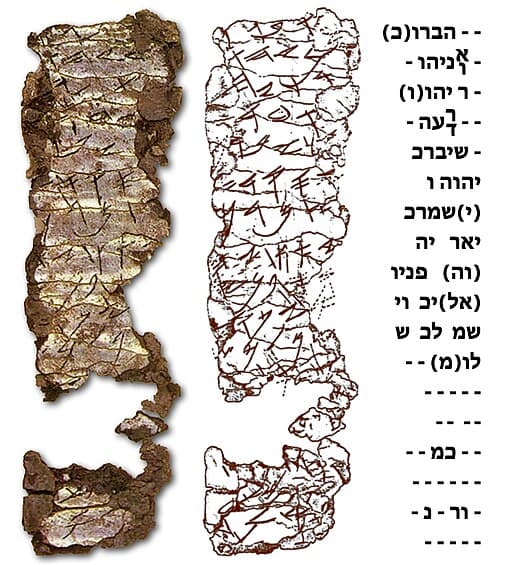 Discover the Silver Scrolls (Ketef Hinnom, 7th century BC), the earliest surviving biblical text, and their link to Numbers 6:24–26.
- ArticleHistorical
Josephus and Jesus: New Evidence for the Testimonium Flavianum
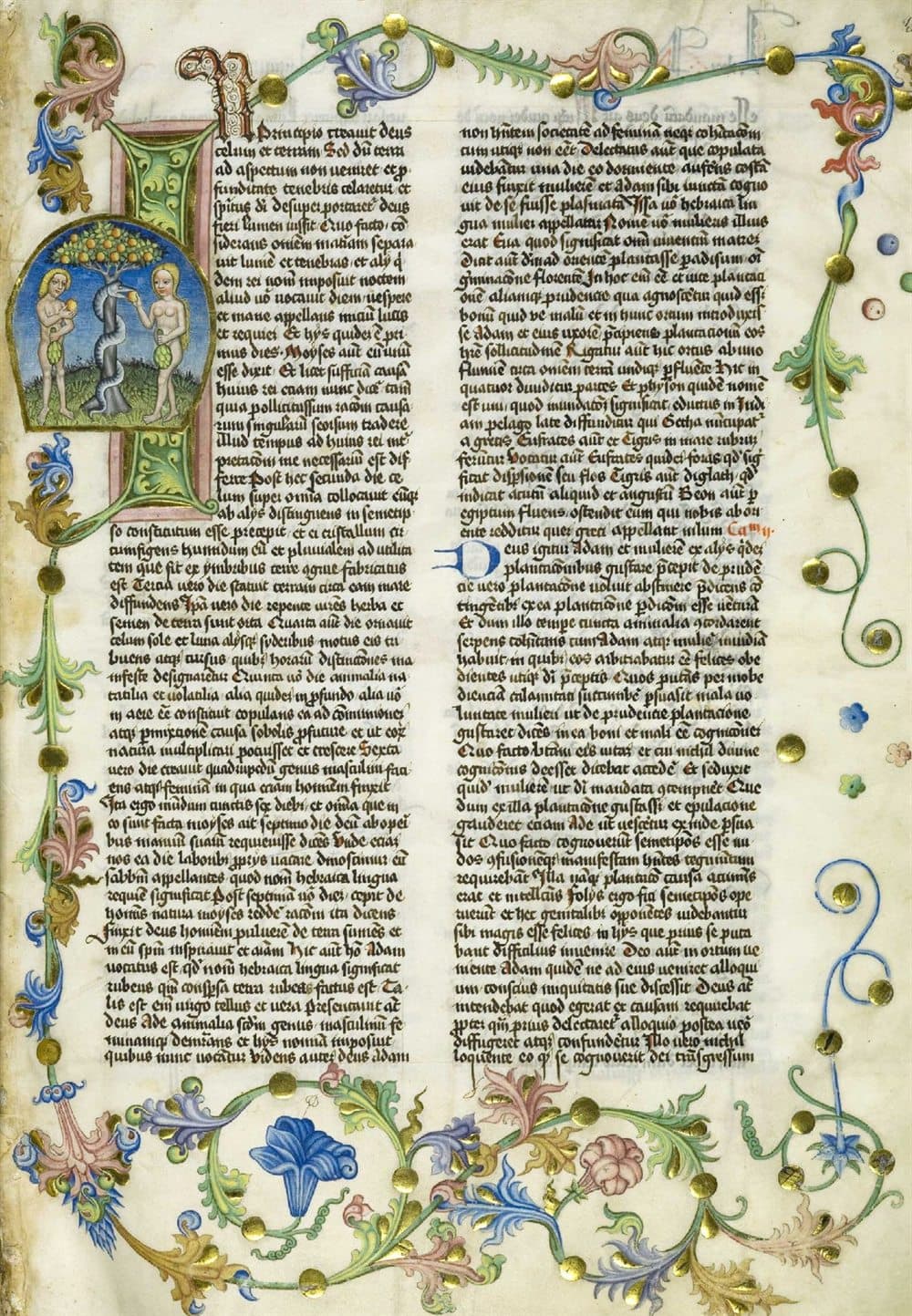 New research shows Josephus's Testimonium Flavianum is likely authentic, confirming Jesus’s life and crucifixion.
- ArticleHistorical
The Muratorian Fragment: Early Evidence for the New Testament Canon
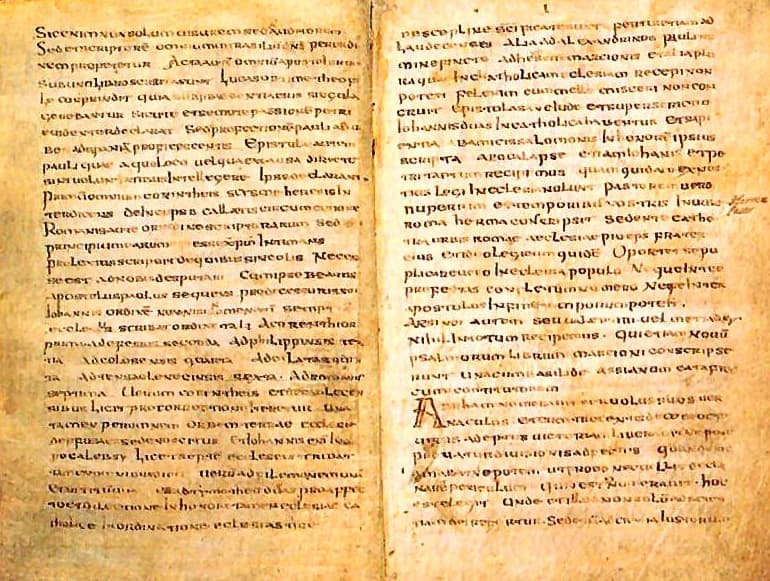 Discover the Muratorian Fragment, the earliest evidence of the New Testament canon and its significance in early Christian history.
- ArticleHistorical
Earliest Papyrus Fragments (P52, P66, P75, P46): Evidence for the Gospels
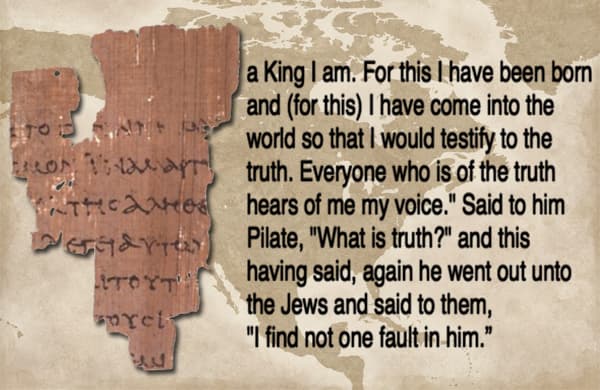 Discover P52, P66, and P75: the earliest New Testament papyrus fragments. Learn their dating and significance for Gospel reliability.
- QuestionBible foundations
Does archaeology prove biblical prophecy?
Archaeology usually supports the historical framework rather than proving the theological claim by itself. - ArticleHistorical
Hezekiah’s Tunnel and the Siloam Inscription
 Discover Hezekiah’s Tunnel Siloam Inscription, an archaeological find confirming biblical history in the 8th century BC.
- QuestionBible foundations
Does archaeology prove a typological connection?
Archaeology can illuminate the real settings behind a pattern, but it cannot prove the theological connection by itself. - ArticleHistorical
Excavating Jerusalem's Miraculous Pools: Bethesda & Siloam
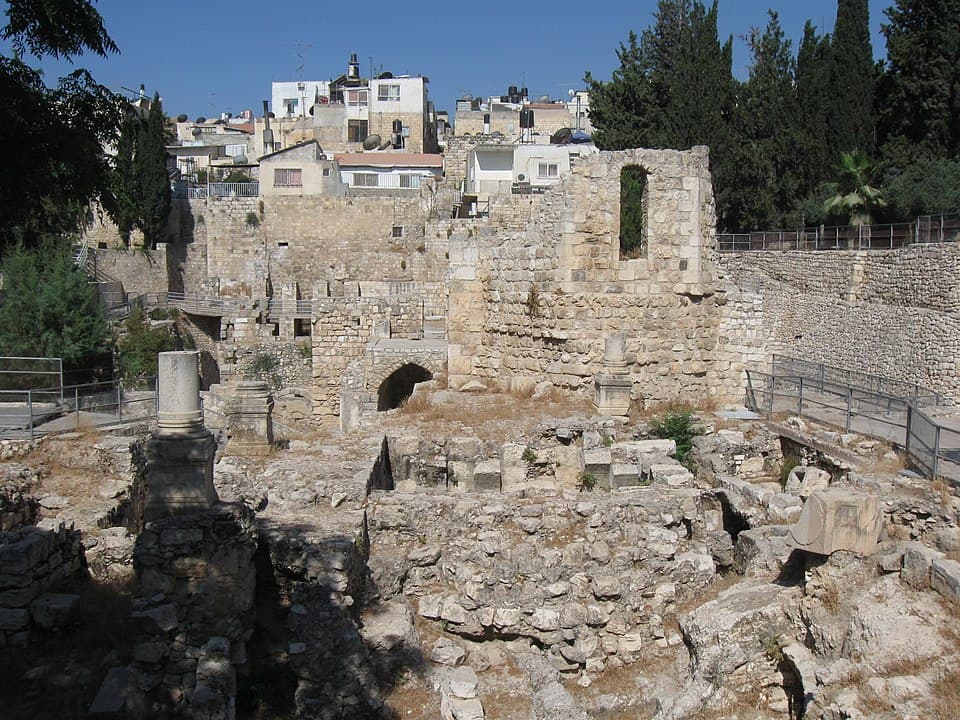 Discoveries at the Pools of Bethesda and Siloam confirm the Gospel of John and support the historical reliability of the New Testament.
- ArticleHistorical
The Lachish Letters and Jeremiah: Archaeology from Judah’s Final Day
 Discover how the Lachish Letters provide a rare glimpse into the fall of Judah, echoing the prophetic warnings found in the Book of Jeremiah.