
Search
28 results for “Extra-Biblical Source”
- ArticleHistorical
Tacitus on Jesus
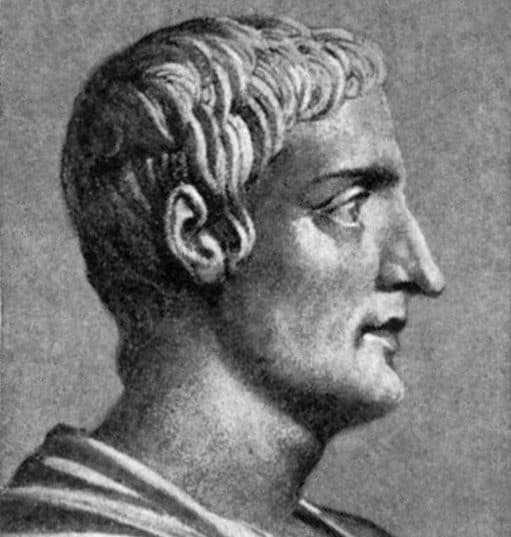 Writing in the early second century, Tacitus provides Roman testimony to Jesus’s crucifixion under Pilate and the persecution of Christians under Nero.
- ArticleHistorical
The Talmud on Jesus: Evidence from Early Jewish Sources
 Discover what the Talmud on Jesus reveals about His life, miracles, and influence from the perspective of early Jewish critics.
- ArticleHistorical
Pliny the Younger
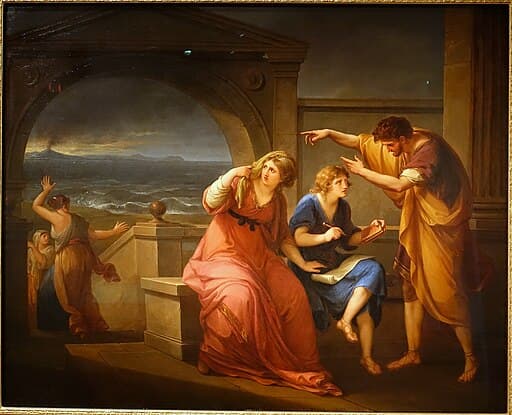 Pliny the Younger provides Roman, non-Christian evidence of early Christian persecution and the courage of believers facing execution.
- ArticleHistorical
The Nazareth Decree
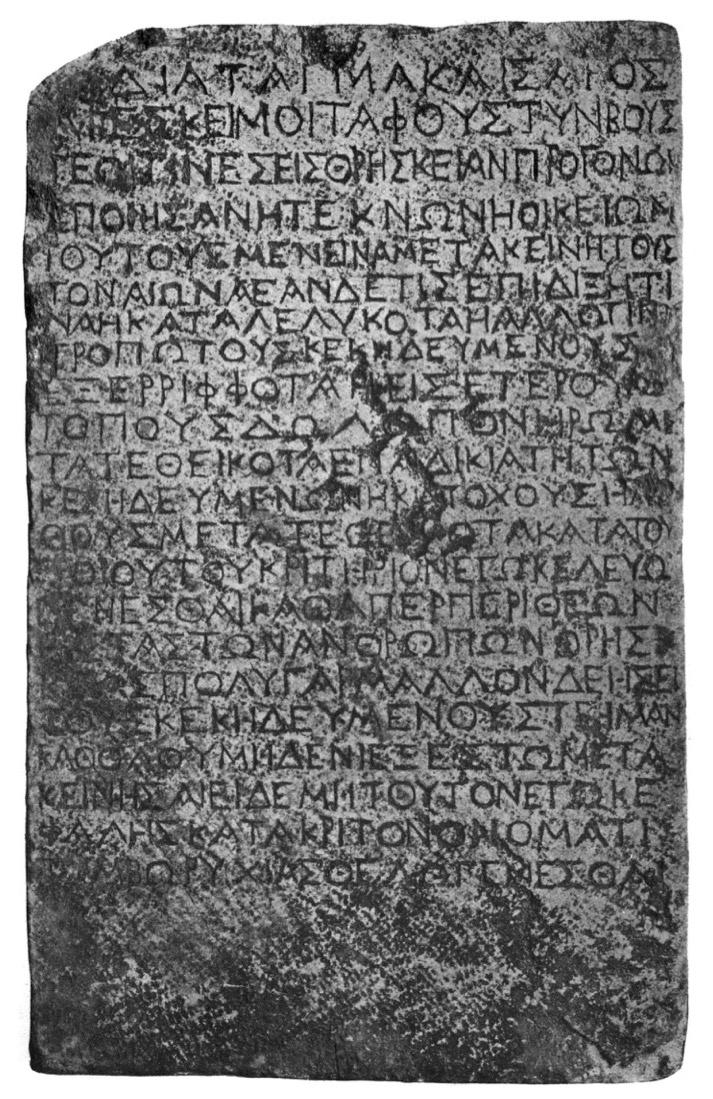 The Nazareth Decree shows Roman tomb laws and circumstantial evidence tied to Jesus’s resurrection and other possible origins.
- ArticleHistorical
Darkness at the Crucifixion
 Explore ancient accounts of darkness during Jesus’s crucifixion, including the Gospels, Thallus, Phlegon, and Hou Hanshu, and their historical context.
- ArticleHistorical
Suetonius on Early Christianity
 Explore Suetonius on early Christianity. Unpack a Roman historian's key passages and their value as independent evidence for the movement's rise.
- ArticleHistorical
Lucian of Samosata on the Early Church
 Explore Lucian of Samosata on Christianity — his satire mocked Jesus and His followers, yet confirms their crucified founder, charity, and bold faith.
- ArticleHistorical
The Antiquities of the Jews by Josephus
 Josephus provides first-century, non-Christian evidence of Jesus’s life, crucifixion, and early Christian movement.
- ArticleHistorical
Hezekiah’s Tunnel and the Siloam Inscription
 Discover Hezekiah’s Tunnel Siloam Inscription, an archaeological find confirming biblical history in the 8th century BC.
- ArticleHistorical
Mara bar Serapion: An Overlooked Historical Reference to Jesus
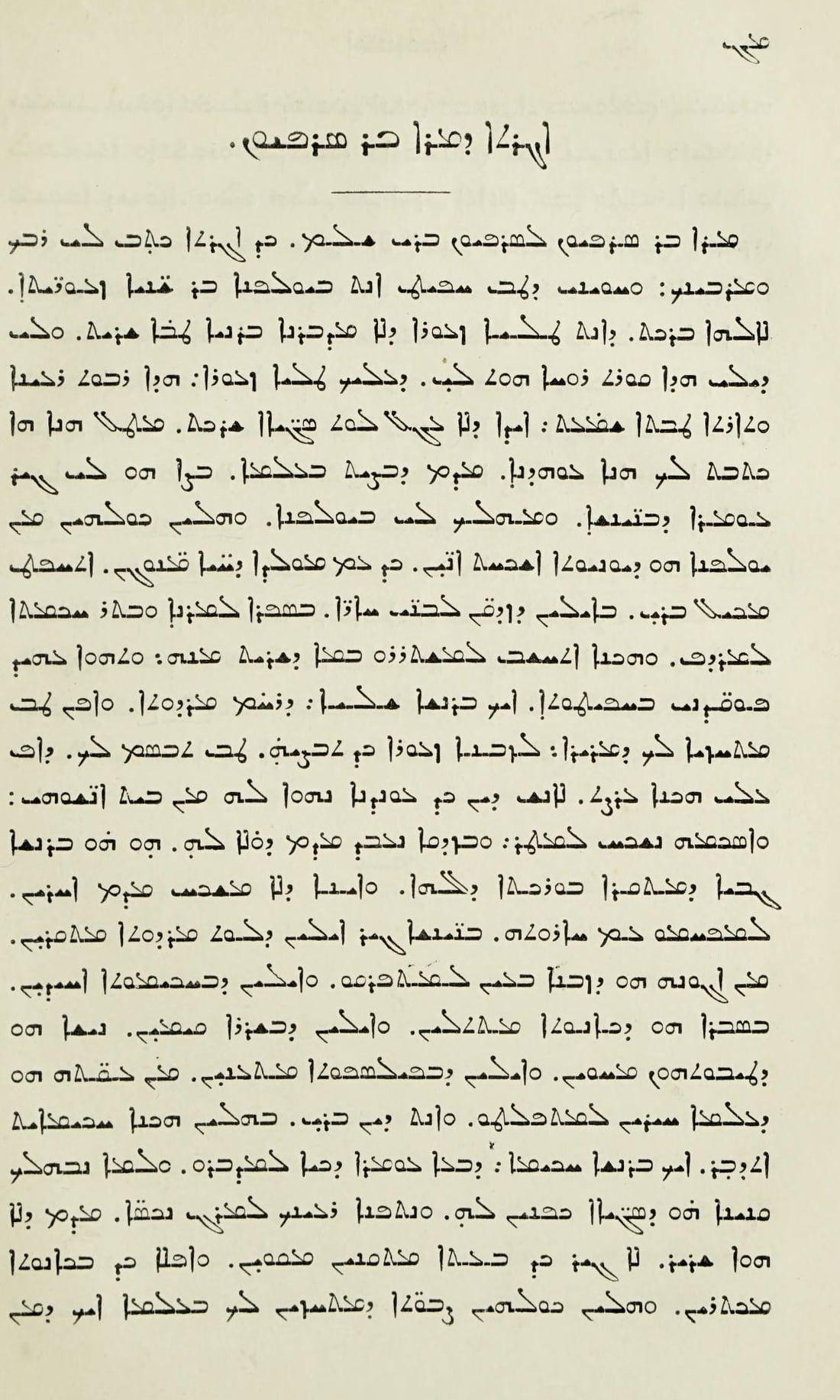 Mara bar Serapion’s letter mentions the “wise king” of the Jews, a rare non-Christian reference to Jesus and the rise of early Christianity.
- ArticleHistorical
Josephus and Jesus: New Evidence for the Testimonium Flavianum
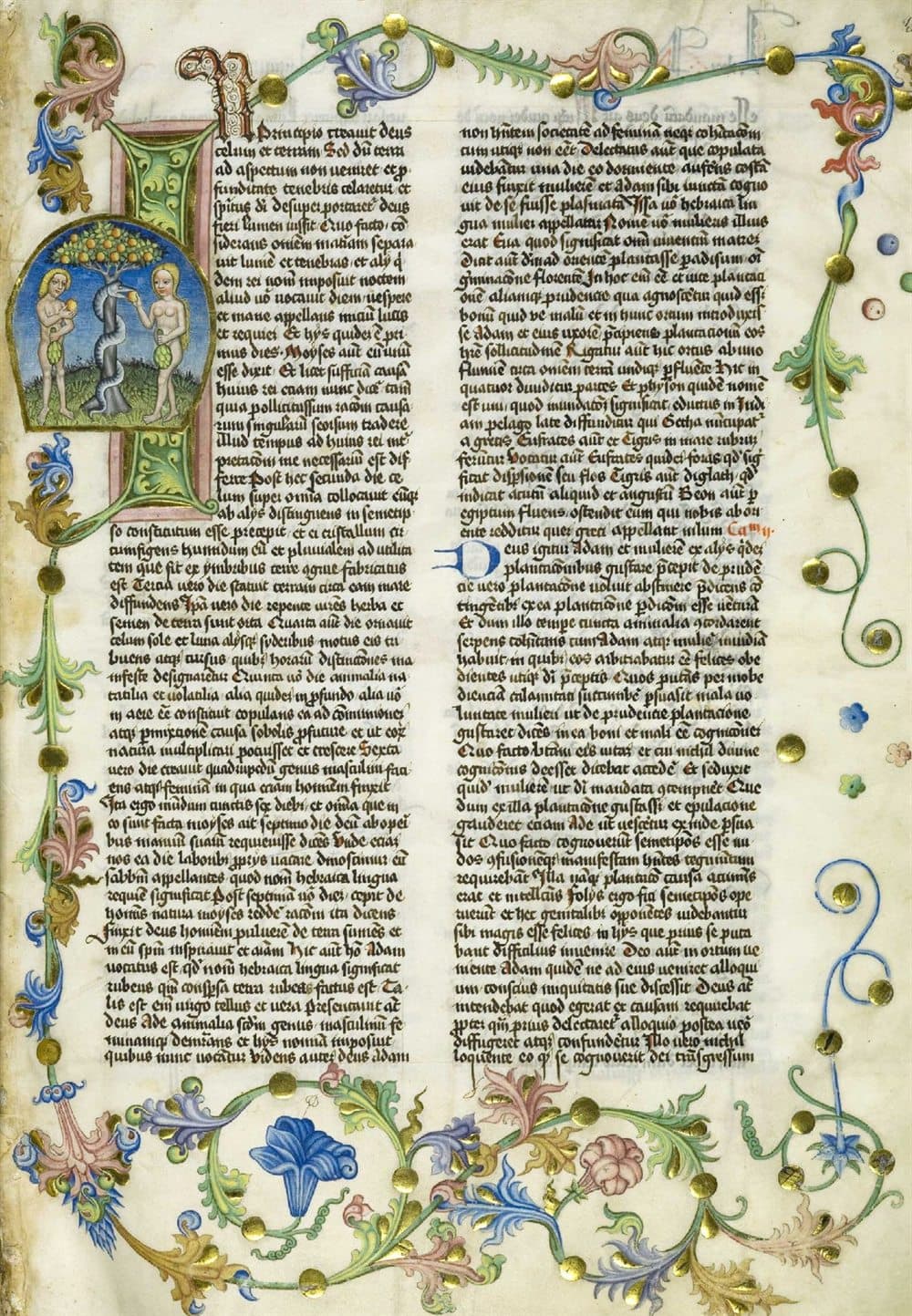 New research shows Josephus's Testimonium Flavianum is likely authentic, confirming Jesus’s life and crucifixion.
- ArticleHistorical
Celsus’s Critique of Christianity: Early Non-Christian Testimony
 Celsus’s critique of Christianity reveals early evidence for Jesus, His reported miracles, and the radical social ethics of Christians in the Roman world.
- ArticleHistorical
Medical and Historical Corroboration of the Crucifixion of Jesus
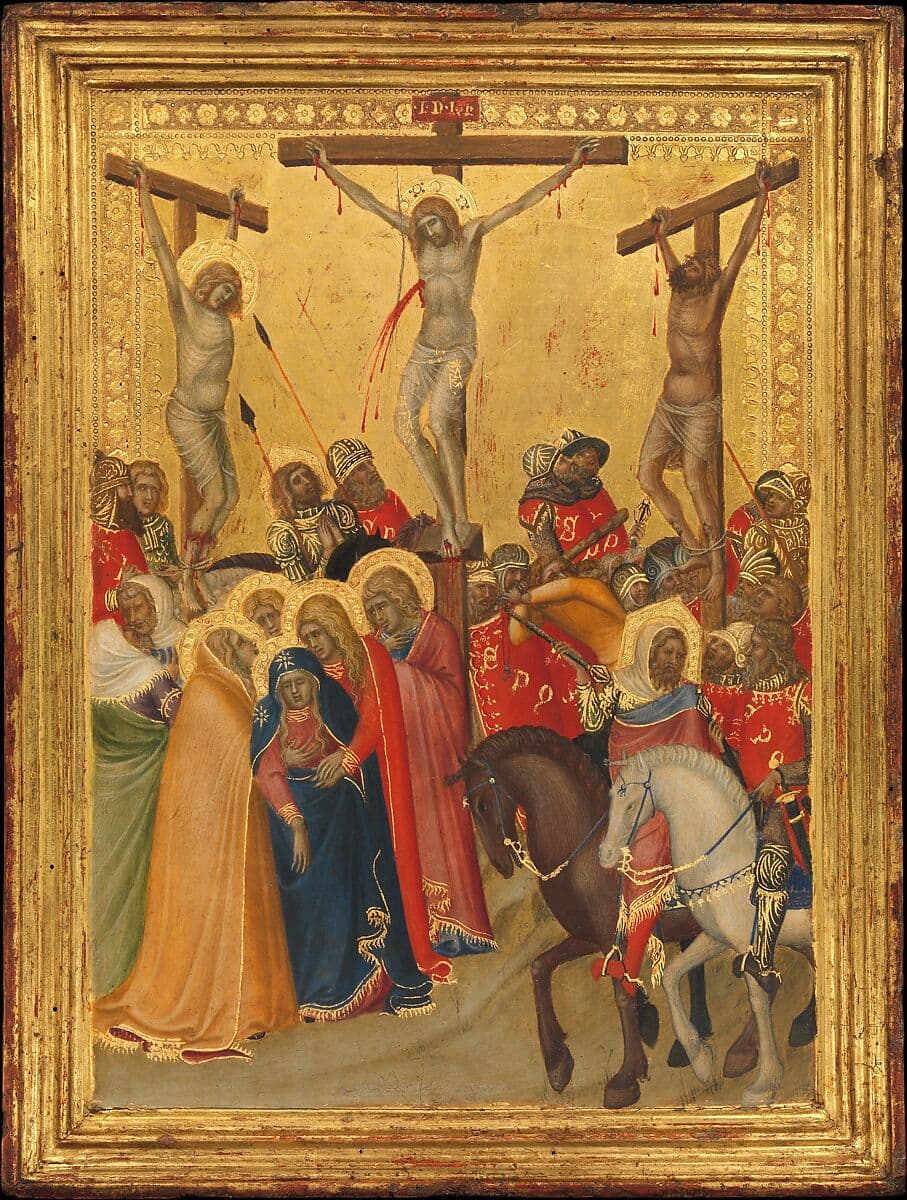 Medical and historical evidence shows that the Gospel accounts of Jesus’s crucifixion align with hematidrosis, scourging, nailing, and piercing.
- SectionHistorical
Historical Evidence
Archaeology, ancient manuscripts, and non-Christian sources that support the Bible's history and the life of Jesus, from the Dead Sea Scrolls to Tacitus. - Page
Scripture Copyright
Last updated: November 7, 2026 Seek & Find Truth quotes several English translations of the Bible. Translation labels identify the source of quotations… - QuestionBible foundations
Who decided what books made it into the Bible?
The books were not chosen by one single vote. Over time, Jewish and Christian communities recognized writings that were already being read, taught, copied, and received as carrying prophetic or apostolic authority. - ArticleHistorical
The Pilate Stone: Archaeological Evidence of Pontius Pilate
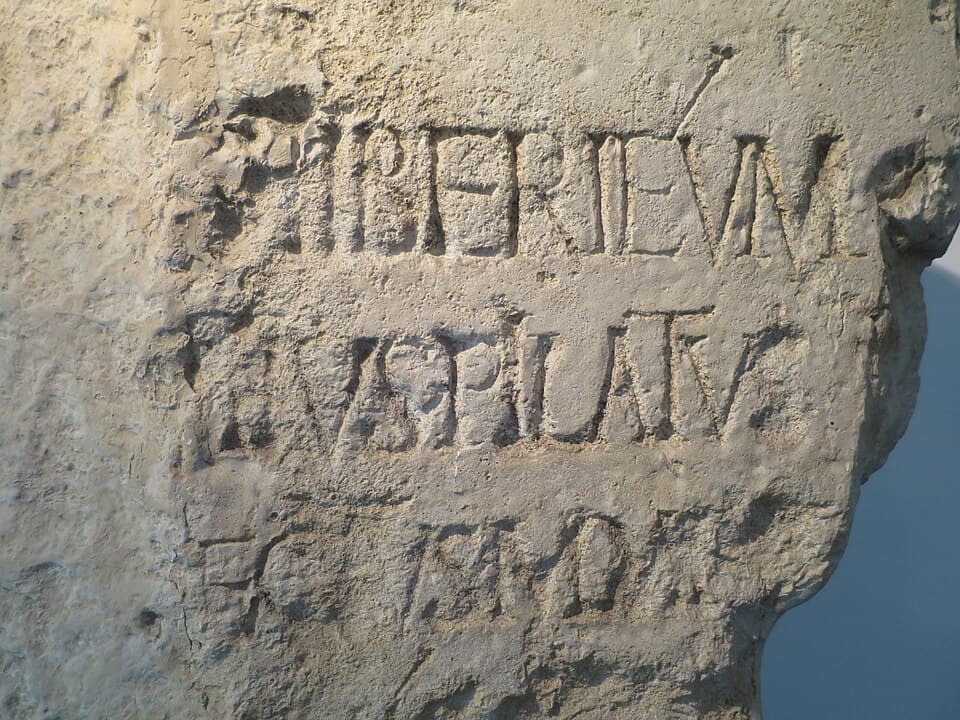 …offer additional but less certain support. The Pilate Stone complements extra-biblical sources, such as Josephus and Tacitus , which record that Jesus was crucified under Pilate’s authority,…
- ArticleHistorical
Dead Sea Scrolls
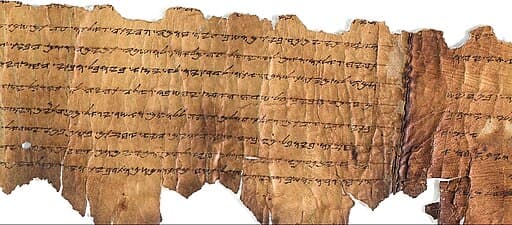 …Scrolls not only bridge a historical gap of over a thousand years in biblical documentation, but they also refute the common narrative that the Bible has been tampered with over time.…
- QuestionBible foundations
If it was written in Hebrew and Greek, what am I reading?
Modern Bibles are not translations of translations. They are made from ancient Hebrew, Aramaic, and Greek manuscripts. - ArticleHistorical
The Muratorian Fragment: Early Evidence for the New Testament Canon
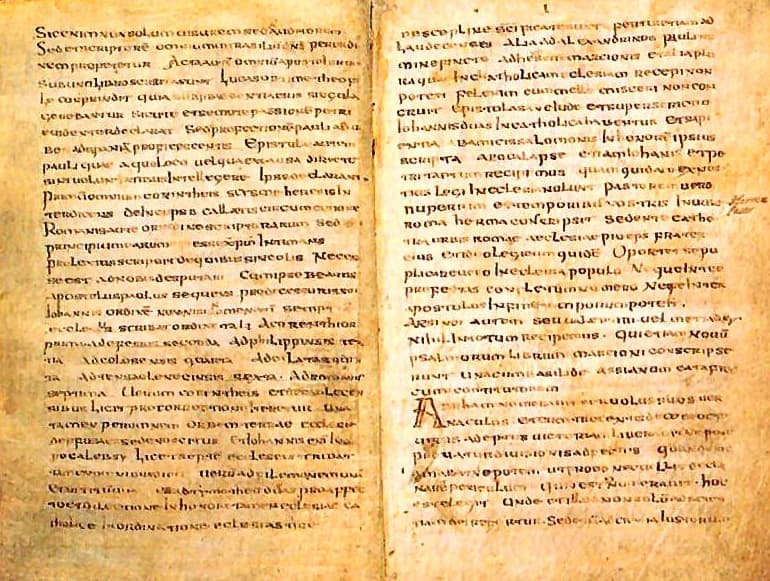 …Latin copy made around the 8th century, translated from an original Greek source. 🧭 Introduction This document is significant because it reflects which Christian writings were considered…