
Celsus’s Critique of Christianity: Early Non-Christian Testimony

Celsus was a Greek philosopher and one of the earliest outspoken critics of Christianity. Although his work The True Doctrine survives only through the rebuttal of the 3rd-century Christian scholar Origen in Contra Celsum, scholars generally regard the preserved quotations as substantially faithful to Celsus’s original arguments, given their length, detail, and consistently unflattering portrayal of Christianity.
Writing around 178 AD, Celsus acknowledges that Jesus existed but seeks to discredit Him, portraying Him as an illegitimate figure, a sorcerer, and inferior to the wisdom of true philosophy.
📜 Celsus’s Account of Early Christianity
Celsus’s critique confirms several core facts about Christianity that were evidently well-known in the Roman world, even among hostile intellectuals:
| Celsus on Christians (Quotations) | Inferred Facts |
|---|---|
| “…she disgracefully gave birth to Jesus, an illegitimate child, who having hired himself out as a servant in Egypt… and having there acquired some miraculous powers… returned to his own country… and by means of these proclaimed himself a God.” (Contra Celsum, 1.28) | Historical Jesus: Confirms that a man named Jesus lived and performed acts considered extraordinary or miraculous. |
| “Well, let us believe that these were actually wrought by you.” (Contra Celsum, 1.68) | Miracles Viewed as Sorcery: His miracles were noted even by critics, though dismissed as magic. |
| “Those who crucified your God when present among men, suffered nothing for it…” (Contra Celsum, 8.41) | Jesus Crucified and Worshipped: Confirms that followers regarded the crucified Jesus as a divine figure. |
| “Do not examine, but believe!” and “The wisdom of this life is bad, but that foolishness is a good thing!” (sayings Celsus attributes to Christians, Contra Celsum, 1.9) | Faith vs Philosophy: Christians' devotion to Jesus contrasted sharply with Greco-Roman intellectual norms. |
| “Every one, they say, who is a sinner, who is devoid of understanding, who is a child, and, to speak generally, whoever is unfortunate, him will the kingdom of God receive.” (Contra Celsum, 3.59) | Welcomed the Outcast: Christianity openly invited sinners and the unfortunate, the very people Celsus believed a respectable religion should turn away. |
Celsus repeatedly calls Jesus an “illegitimate child,” a “sorcerer,” and an “impostor,” while deriding Christians as gullible and irrational. Yet, even in these insults, he inadvertently attests to core realities: Jesus existed, was crucified, attracted followers, performed extraordinary acts (dismissed as magic), inspired devotion, and founded a community that welcomed the outcast.
🏛️ The Historical Significance of Celsus’s Critique
Historians value Celsus not for his Platonic opinions, but because his hostility confirms essential facts about early Christianity from a philosophical enemy:
-
Jesus’s Existence and Crucifixion: Celsus explicitly recognizes Jesus as a historical figure who was publicly executed, corroborating the non-Christian testimonies of Lucian and Tacitus.
-
Miracles and Influence: He admits that Jesus performed remarkable acts that drew followers, even if he dismisses them as sorcery — confirming the widespread knowledge of the miraculous claims. Origen himself observed that Celsus was “admitting somehow the miraculous works done by Jesus.”
-
Social Ethics: Celsus mocks Christians for teaching that the kingdom of God would receive sinners, children, and “whoever is unfortunate.” He also complains that their message spread through wool workers, leather workers, and other uneducated people meeting in private homes. His scorn confirms a movement that reached the poor and the outcast, the very people Celsus believed a respectable religion should turn away.
-
Contrast with Philosophy: His primary criticism highlights how Christianity defied conventional Greco-Roman values, emphasizing faith in a crucified man over reasoned, intellectual philosophy.
Like Lucian, Celsus sought to portray Christianity as foolish and dangerous. Ironically, his critique preserves historical evidence of Jesus and Christianity's growing influence — making him a crucial, hostile witness to the early church. His work offers historians a window into what was known about the core tenets of Christianity among its most educated, sophisticated, and fervent opponents.
Celsus’s complaint that Christians welcomed sinners and “whoever is unfortunate” provides crucial confirmation of the early church’s radical openness. This was the same message Jesus Himself preached when He said He came “not to call the righteous, but sinners” (Mark 2:1717 And when Jesus heard it, he said to them, “Those who are well have no need of a physician, but those who are sick. I came not to call the righteous, but sinners.”). More than a century later, Celsus shows that His followers were still living it out. Lucian’s astonished description of their generosity toward the imprisoned shows that this openness came with real care for one another. When even its harshest critics cannot help but document the movement’s reach to the outcast, it powerfully underscores the historical reliability of the movement itself. By documenting what he opposed, Celsus confirms the reality, devotion, and powerful social impact of early Christianity, transforming his scorn into a profound, unintended historical witness to the early church's reliable foundations and core teachings.
📚 References
Origen. Contra Celsum. Translated by Frederick Crombie. Ante-Nicene Fathers, vol. 4. New Advent. Accessed September 26, 2025.
Celsus. On the True Doctrine: A Discourse Against the Christians. Translated by R. Joseph Hoffmann. Oxford University Press, 1987.
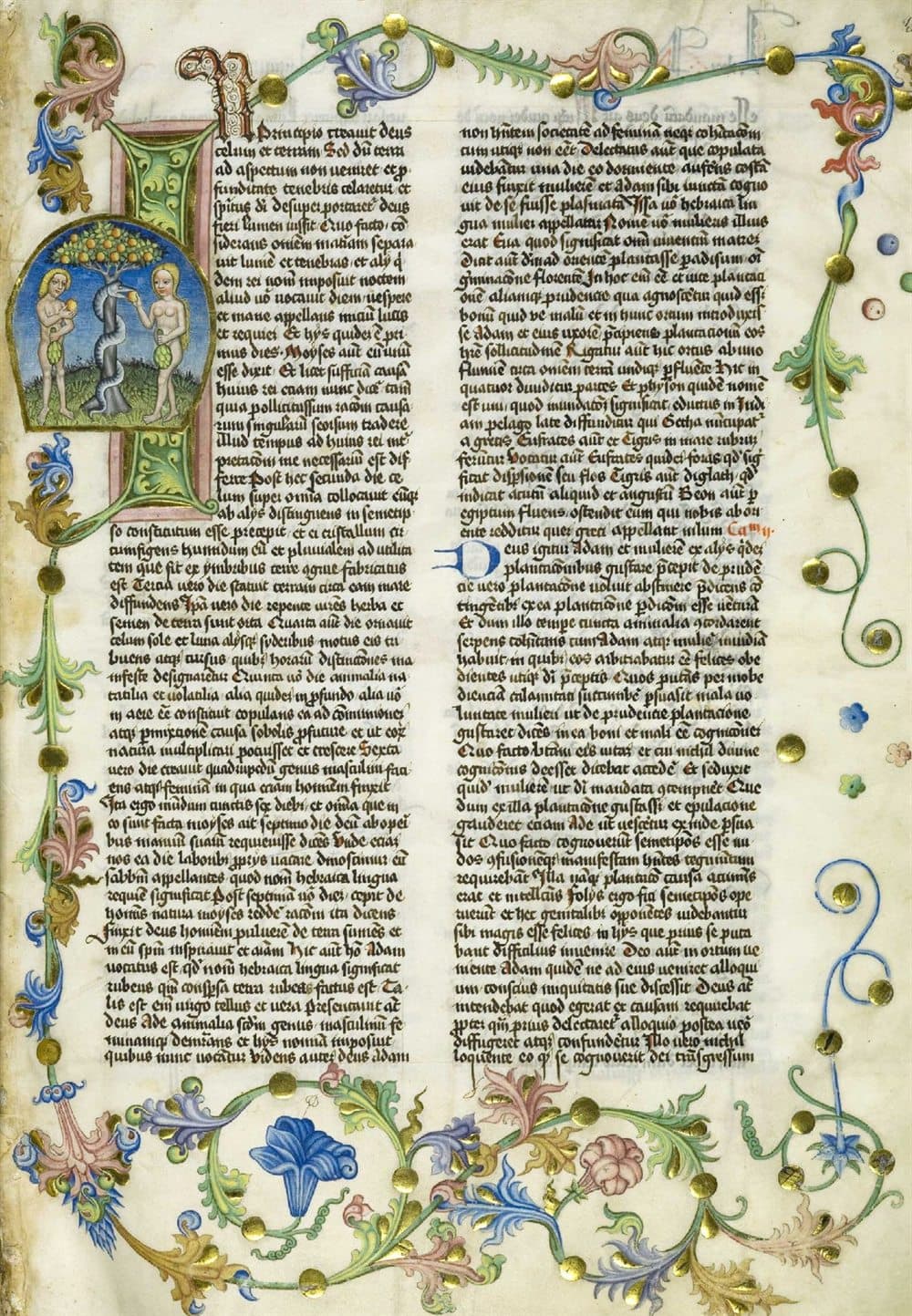
Image Credits: Origen. Wikimedia Commons. Public Domain. Available here.


Comments
No comments yet. Be the first to share your thoughts.