
Search
42 results for “Acts”
- QuestionBible foundations
Is the Holy Spirit a Person or Just a Force?
The Holy Spirit is presented as a “who,” not a “what.” He speaks, teaches, guides, intercedes, gives instructions, makes choices, and can be grieved. In Acts 13:2, the Spirit even speaks in the first person: “Set apart for me Barnabas and Saul for the work to which I have called them.” - ArticleHistorical
The Caiaphas Ossuary: Archaeological Evidence of the High Priest
 The Caiaphas Ossuary provides strong archaeological evidence for the high priest from Jesus's trial and the New Testament's historical setting.
- FindingData & analytics
Active in other voluntary groups
 Actively religious Americans are more active in other voluntary organizations than unaffiliated Americans.
- StudyData & analytics
Religion and Giving
A focused, data-driven review of charitable giving, direct aid, and generosity gaps linked to religion. - StudyData & analytics
Religion and Civic Life
A focused, data-driven review of turnout, civic attentiveness, community-group activity, and related public-life measures linked to religion. - StudyData & analytics
Religion and Volunteering
A focused, data-driven review of volunteering, service-group involvement, and community participation linked to religion. - QuestionBible foundations
Was 1 John 5:7–8 Added Later?
Yes, but only part of it: the longer wording about the Father, the Word, and the Holy Spirit found in the KJV was added later, while the rest of the passage is not in question. This longer phrase is often called the Comma Johanneum. - QuestionBible foundations
Was the Trinity Borrowed from Pagan Triads?
There is no good historical evidence that the Trinity was copied from pagan triads. Ancient religions certainly did have groups of three deities, but sharing the number three does not make them the same belief. Egyptian groups such as Osiris, Isis, and Horus were distinct deities in a father-mother-son divine family, while the Roman Capitoline Triad consisted of Jupiter, Juno, and Minerva. Christianity makes a very different claim: there is one God, while the Father, Son, and Holy Spirit are personally distinct. - FindingData & analytics
High school dropout
 Teens who attended services and youth activities weekly were less likely to drop out of high school than teens who never attended. The figures are the study's predicted rates for a typical teen.
- FindingData & analytics
Voting across countries
 Outside the United States, actively religious adults were more likely than the unaffiliated to say they always vote in 12 of 24 countries with usable data. The voting link is clear in the U.S. but mixed abroad.
- QuestionBible foundations
What exactly is a 'thread'?
A thread is a theme that develops across Scripture — Seed, Lamb, King, Servant. Choosing one acts like a lens: the Prophecy Map highlights every prophecy that carries the theme so you can watch it build. - FindingData & analytics
Starting to attend services
 A study that followed 38,477 New Zealanders who were not attending services estimated what would happen if more of them began attending monthly. It found small gains in meaning and purpose, forgiveness and satisfaction with their intimate lives, but no change in depression, anxiety or sleep. Only 2 to 3% of non-attenders start attending in a given year, so the averages include many people who would still not attend. The change for those who actually began attending would therefore be larger.
- FindingData & analytics
Belong to a community group
Religious Americans were more likely than nonreligious Americans to belong to a community group or neighborhood association. Membership in hobby or activity groups was the same for both (19%). - GuideBible foundations
Step 5: The Holy Spirit Is God
The Spirit acts personally and shares God’s qualities and works - FindingData & analytics
Always vote in national elections
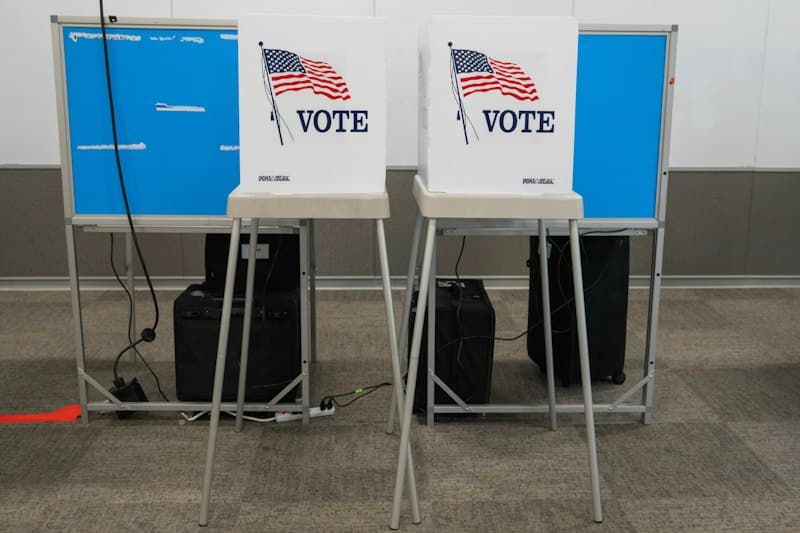 Actively religious Americans are more likely to say they always vote in national elections.
- FindingData & analytics
Describe themselves as very happy
 Americans who attend services at least monthly are more likely than unaffiliated Americans to call themselves very happy. Americans who claim a faith but attend less often are no happier than the unaffiliated. Outside the U.S., the actively religious were happier than the unaffiliated in 12 of 25 countries, while the other 13 showed no clear difference either way.
- FindingData & analytics
Secular giving by religious identity alone
 In a 2023 national survey, nonreligious Americans were about as likely as religiously affiliated Americans to give to secular charities. The study measured religious identity only, not attendance. Studies that measure active practice find that regular worshippers give more to secular causes, which fits the wider pattern in which active participation in faith, more than identity, tracks the differences across these measures.
- ArticleScience
The Cosmological Argument
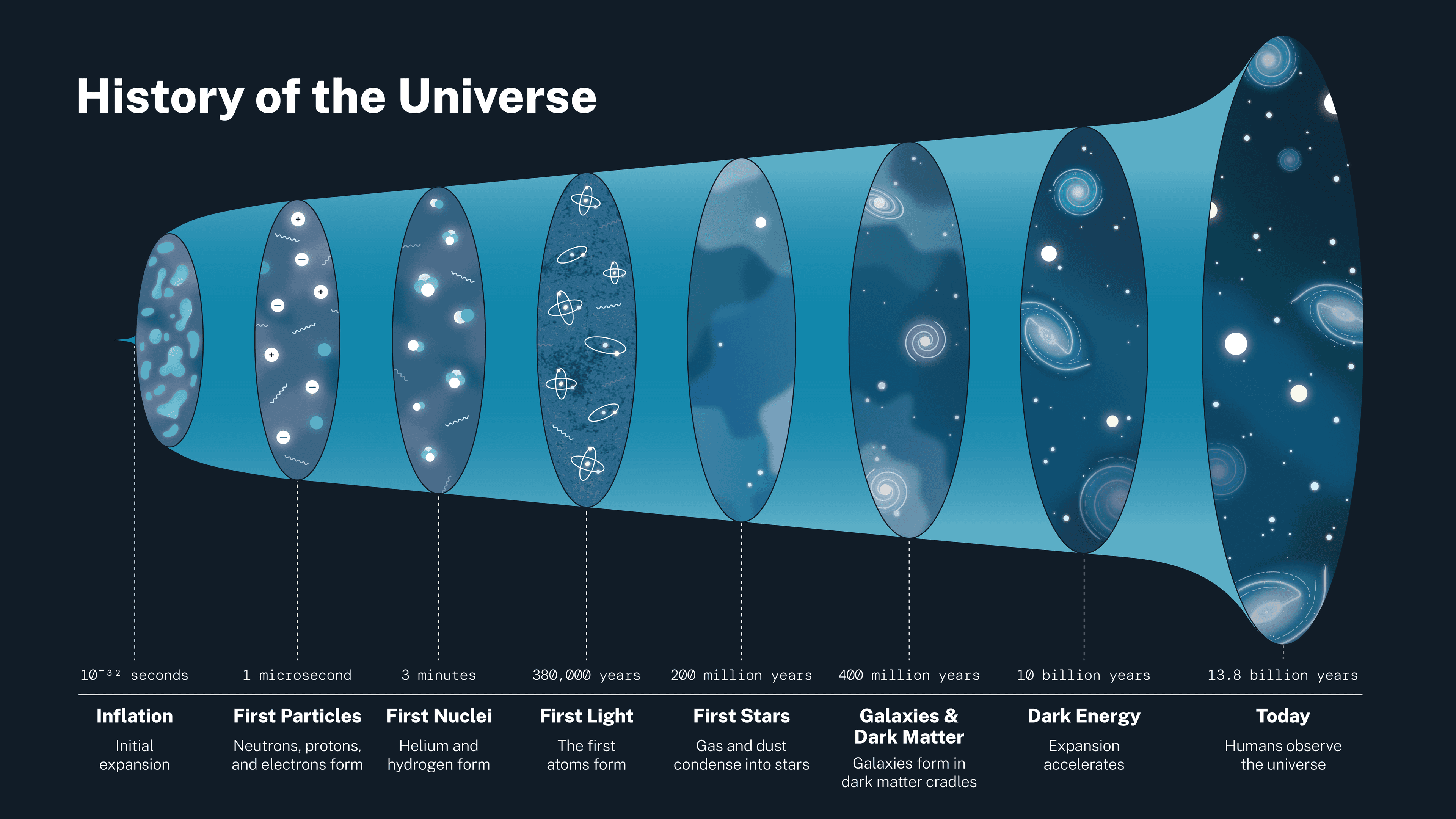 …Scientific Evidence section , which grades each line of evidence on what it actually establishes and where it is contested. 🔗 Premise 1: Whatever Begins to Exist Has a Cause This is narrower…
- QuestionBible foundations
How was a prophet tested?
Israel was told to use more than one test. A prophet's message had to agree with what God had already revealed and could not lead people toward other gods, even if an impressive sign occurred (Deuteronomy 13:1–5). - ArticleHistorical
Darkness at the Crucifixion
 Explore ancient accounts of darkness during Jesus’s crucifixion, including the Gospels, Thallus, Phlegon, and Hou Hanshu, and their historical context.