
Historical Evidence Atlas
A curated interactive map and timeline for major historical evidence articles on this site. Move through artifacts, manuscripts, and outside testimony by place, date, and confidence level. Together, these lines of evidence build a cumulative case for the Bible’s textual preservation and historical reliability.
Interactive Historical Evidence Atlas
How to use this atlas
- Use Map to see where the evidence was found, written, or historically associated.
- Use Timeline to compare the dates of artifacts, manuscripts, inscriptions, and external sources.
- Use category filters to focus the atlas without leaving the shared dataset.
- Prefer reading? The same curated nodes are listed as normal cards below the interactive explorer.
How evidence is selected and described
Each atlas node connects to a full historical article and records a date range, location, evidence class, concise claim, and any important caution about interpretation.
- Evidence typesArchaeological finds, manuscript evidence, non-Christian sources, and later testimony are labeled separately rather than treated as interchangeable forms of evidence.
- Dates and uncertaintyApproximate or disputed dates and locations are identified as such. The linked articles provide sources, context, and interpretive limits that cannot fit on the map.
- Scope of claimsThe atlas organizes evidence for comparison; no single artifact or text is presented as proving every historical or theological claim.
Atlas evidence cards
Atlas Track
Archaeology
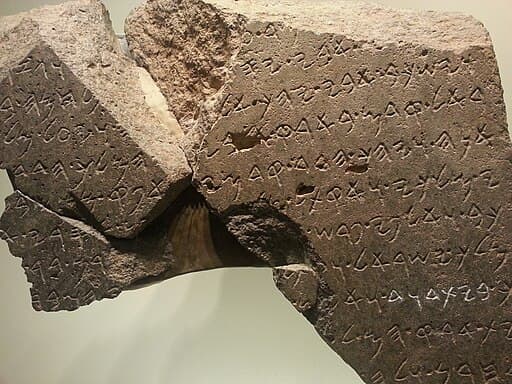
9th century BC / Israel
Discovered 1993-1994 / Tel Dan, northern Israel
Tel Dan Stele
The inscription is a major extra-biblical witness associated with the House of David.
Read full article -> (opens in a new tab)Evidence note
Found at Tel Dan, the Aramaic inscription is widely known for its reference often read as the House of David.
The inscription supports memory of a Davidic dynasty; it does not by itself reconstruct David's whole life or reign.
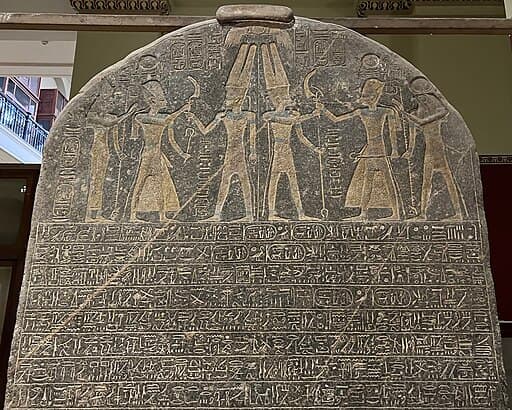
c. 1208 BC / Egypt
Discovered 1896 / Thebes/Luxor, Egypt
Merneptah Stele
The stele contains the earliest widely recognized extra-biblical reference to Israel.
Read full article -> (opens in a new tab)Evidence note
Merneptah's victory inscription names Israel among peoples in Canaan, placing Israel in the land by the late thirteenth century BC.
It confirms Israel's presence, not the full details of Israel's origin, population size, or political structure.
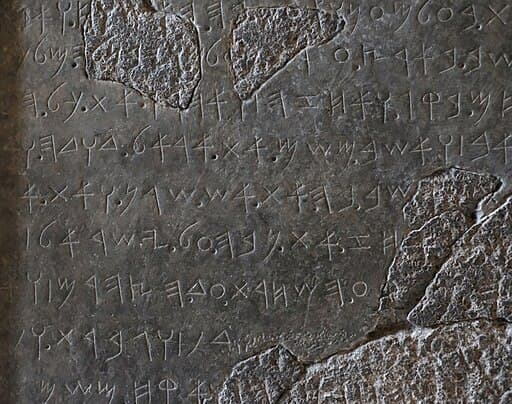
9th century BC / Jordan
Discovered 1868 / Dhiban, Jordan
Mesha Stele
The Moabite Stone gives an external inscriptional window into Israel and Moab's shared world.
Read full article -> (opens in a new tab)Evidence note
The inscription of King Mesha describes Moab, Israel, Omri, and regional conflict from a neighboring nation's perspective.
It is royal propaganda from Moab's side, so it should be read as an ancient political text rather than a neutral chronicle.
Atlas Track
Manuscripts
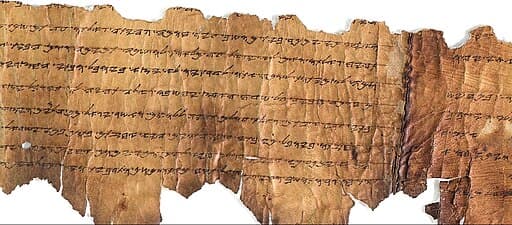
c. 250 BC-AD 68 / West Bank
Discovered 1947-1956 / Qumran caves, Judean Desert
Dead Sea Scrolls
The scrolls give a major pre-Christian and early Jewish window into the transmission of biblical texts.
Read full article -> (opens in a new tab)Evidence note
Discovered near Qumran, the Dead Sea Scrolls preserve biblical and sectarian manuscripts that substantially predate the medieval Hebrew manuscript tradition.
They do not show that the text was copied without any variation. They show something more realistic and historically valuable: a broad pattern of careful transmission, alongside the kinds of textual variants we would expect from ancient manuscripts.
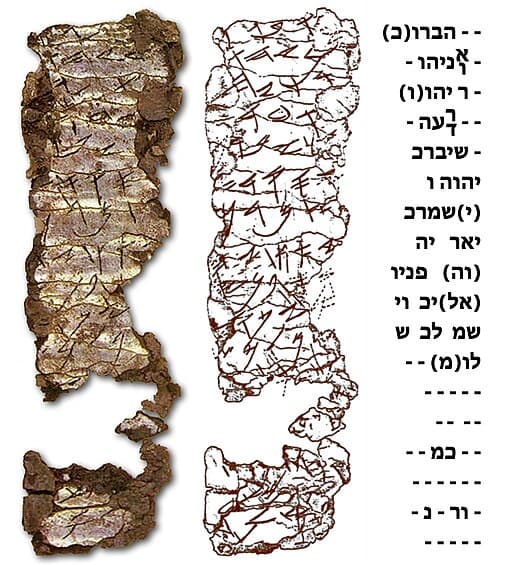
late 7th-6th century BC / Israel
Discovered 1979 / Ketef Hinnom, Jerusalem
Ketef Hinnom Silver Scrolls
These tiny silver amulets preserve one of the earliest known biblical-text witnesses.
Read full article -> (opens in a new tab)Evidence note
The scrolls include wording closely related to the priestly blessing in Numbers, anchoring part of the biblical textual tradition deep in the First Temple period.
They are not complete Bible manuscripts, but they are still incredibly important. These tiny silver amulets preserve biblical wording from centuries before the Dead Sea Scrolls, making them one of the earliest witnesses to Scripture we have.
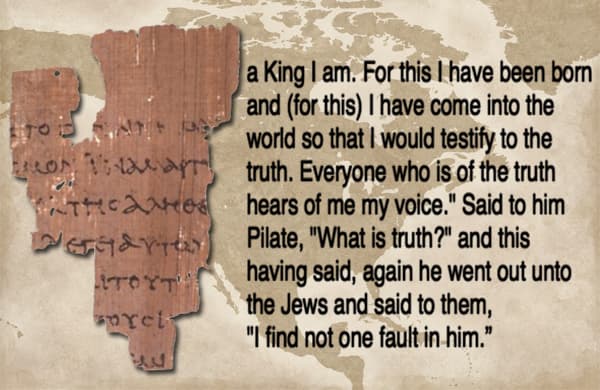
2nd-3rd century AD / Egypt (representative)
Published and studied across the 20th century / Egyptian manuscript finds (representative: Oxyrhynchus)
Earliest Papyrus Fragments
Early papyrus fragments narrow the gap between New Testament composition and surviving copies.
Read full article -> (opens in a new tab)Evidence note
Fragments such as P52, P66, P75, and P46 show that New Testament writings were being copied and circulated early in the manuscript record.
Fragments are not the same as complete codices; their strength is early attestation, not exhaustive textual coverage.
Atlas Track
External Sources
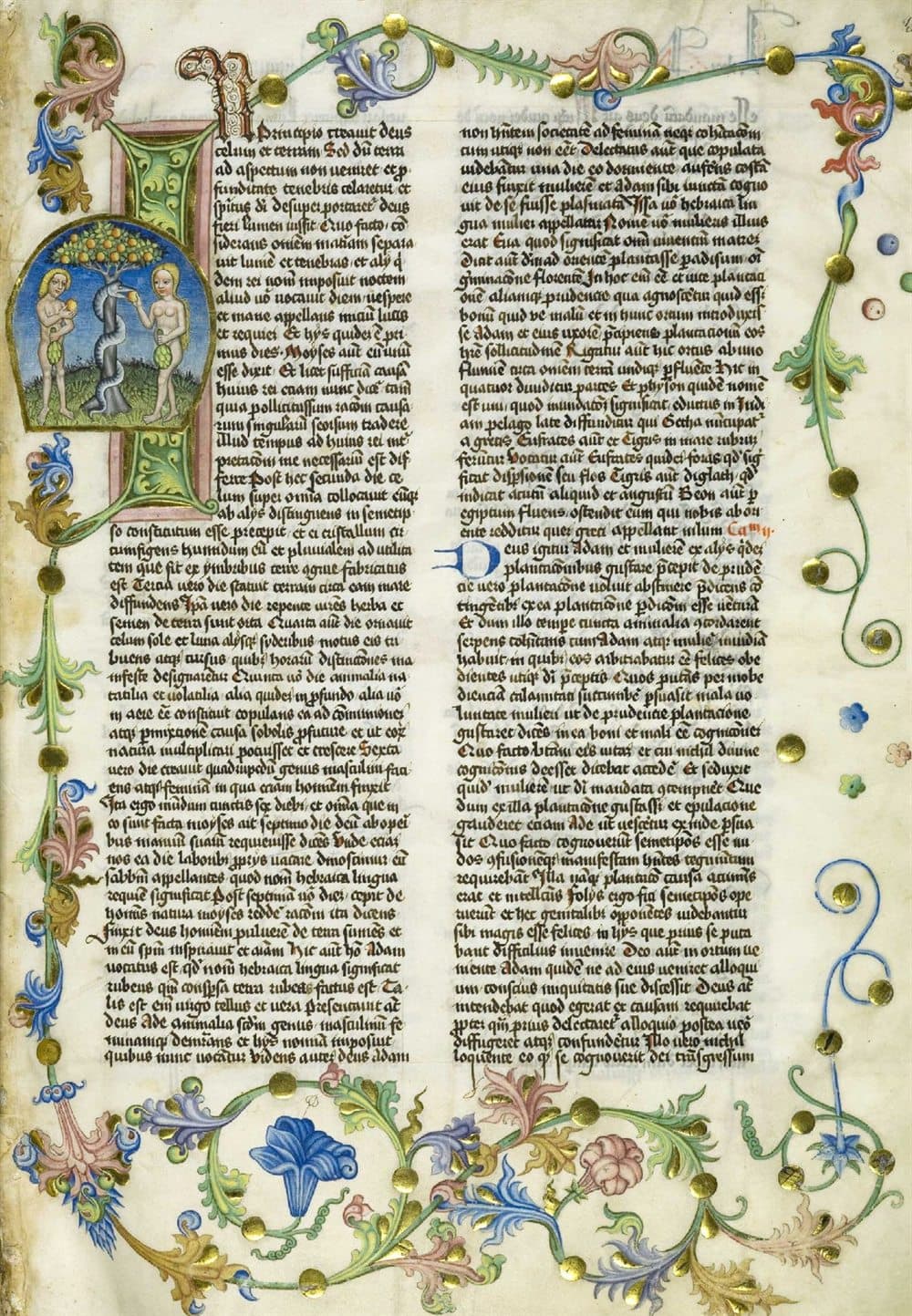
c. AD 93-94 / Italy
Preserved in manuscript tradition / Rome, Roman Empire
Josephus on Jesus
Josephus is a major Jewish non-Christian witness to Jesus and the early Christian movement.
Read full article -> (opens in a new tab)Evidence note
Writing in Antiquities, Josephus gives a first-century Jewish historian's reference to Jesus, James, and the movement surrounding them.
The strongest claims here are widely accepted: Josephus knew of Jesus, James, and the movement connected to him. The debate is mainly over the wording of the longer Testimonium passage, especially the lines that sound unusually favorable to Jesus. That debate affects the exact wording, not the broader value of Josephus as a non-Christian witness.
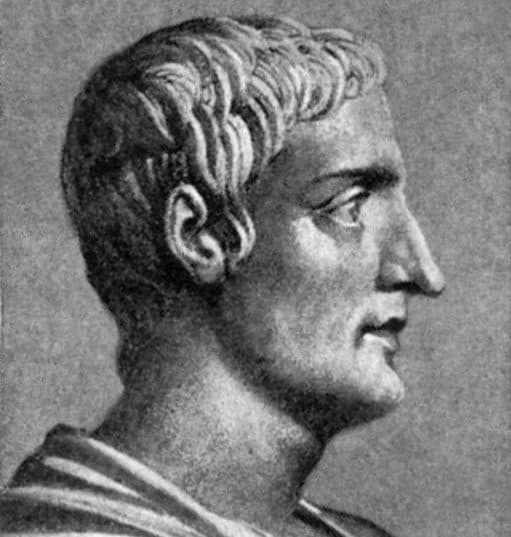
c. AD 115-117 / Italy
Preserved in manuscript tradition / Rome, Roman Empire
Tacitus on Jesus
Tacitus gives a hostile Roman reference to Christ, execution under Pilate, and Christians in Rome.
Read full article -> (opens in a new tab)Evidence note
In Annals, Tacitus connects the name Christian to Christus and places his execution during Tiberius' reign under Pontius Pilate.
Tacitus is not trying to prove Christian claims; his value is hostile, external historical reference.

c. AD 111-113 / Turkey
Preserved in Pliny's letter collection / Bithynia-Pontus, Asia Minor
Pliny the Younger
Pliny gives outside testimony about Christian worship practices and Roman administrative concern.
Read full article -> (opens in a new tab)Evidence note
Pliny's letter to Trajan describes Christians meeting, singing to Christ, and pledging ethical conduct in the early second century.
Pliny reports what he observed and investigated as a Roman governor. His letter is valuable evidence for early Christian worship and public visibility, but it does not independently establish the beliefs Christians were confessing.
Atlas Track
Testimony
creed cited c. AD 55 / Israel (best guess)
Cited by Paul, c. AD 55 / Resurrection appearances, Jerusalem/Galilee
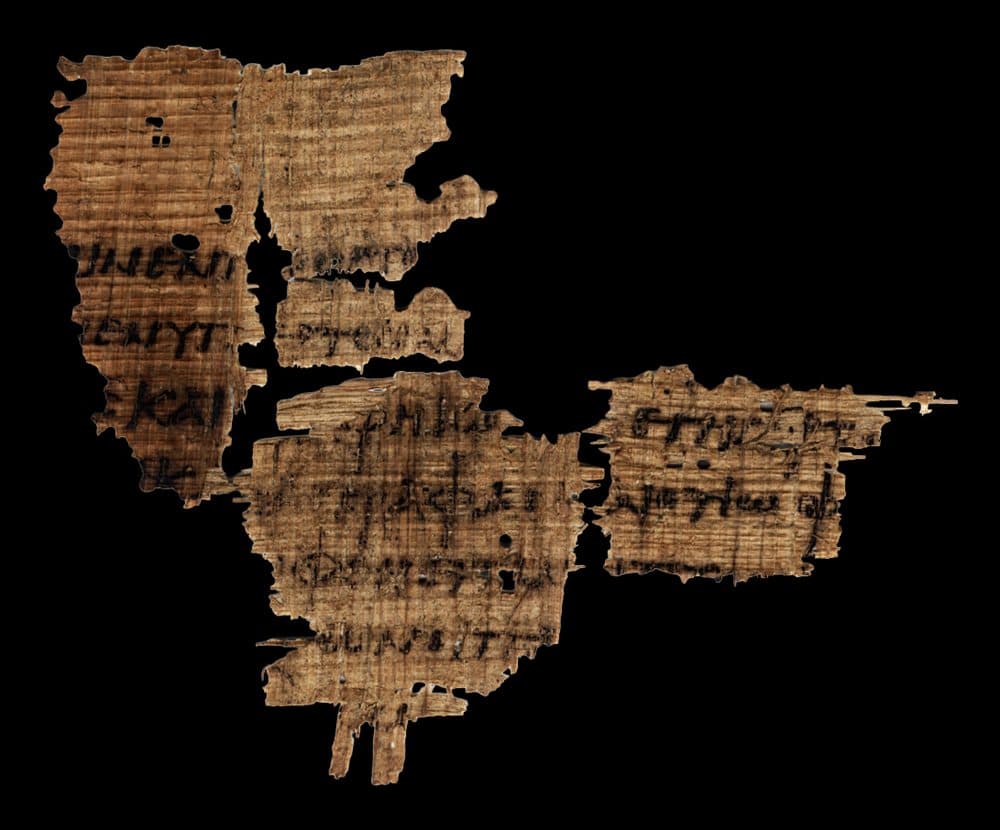
The 500 Eyewitnesses (1 Corinthians 15)
Paul cites an early creed that names or identifies key resurrection witnesses and also points to more than 500 others, many still living.
Read full article -> (opens in a new tab)Evidence note
1 Corinthians 15 preserves an early resurrection tradition naming or identifying key witnesses while also referring to more than 500 unnamed others.
This is an early Christian creed preserved by Paul, not an outside record. Still, it carries real historical weight: Paul names specific witnesses and appeals to more than 500 others, most of whom he says were still alive. Since the 500 are not individually named, Christians should be careful not to overstate that point, but the passage clearly presents the resurrection as public, verifiable, witness-based testimony.
c. AD 30-70 / Israel (best guess)
Earliest Christian proclamation / Earliest preaching, Jerusalem
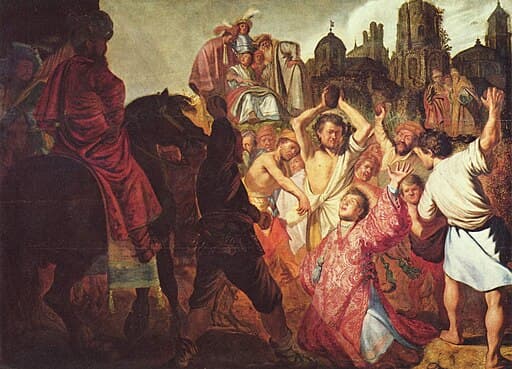
The Apostles' Testimony
The apostles claimed they saw the risen Jesus firsthand, and several died for that testimony. People may die for something false, but rarely, if ever, for something they know they invented.
Read full article -> (opens in a new tab)Evidence note
The transformation of the disciples, former skeptics, and former opponents is offered as testimonial evidence because they proclaimed a resurrection claim they said they personally knew.
The strength of this evidence is the early, public, and persistent proclamation of the resurrection by people who claimed firsthand encounters with Jesus. Some martyrdom details come from later tradition, but the core point remains: several died proclaiming something they would have known was false if they had made it up.
event c. AD 30-33 / Israel (best guess)
Modern medical analysis / Crucifixion site, Jerusalem
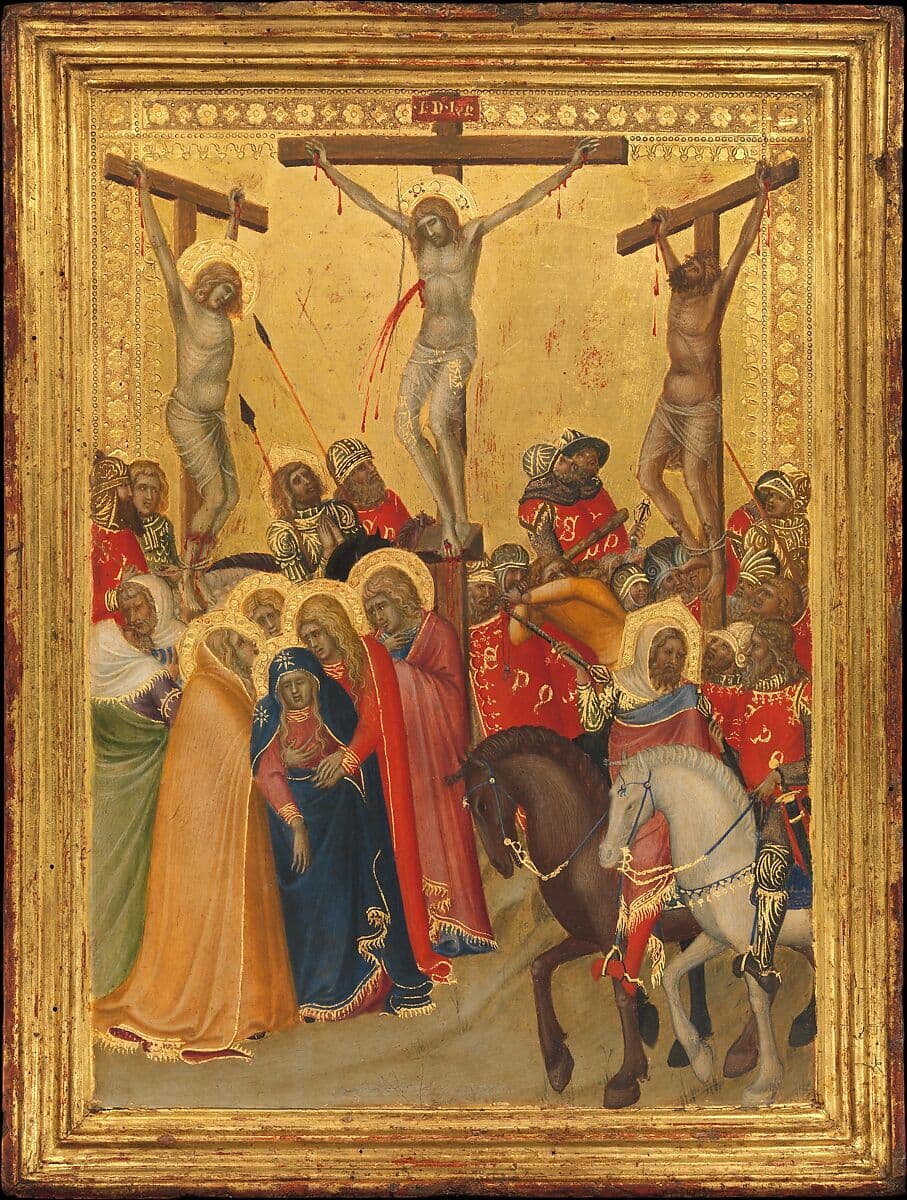
Medical Corroboration of the Crucifixion
The medical details in the Gospel accounts align closely with what we would expect from Roman scourging, crucifixion, and a fatal spear wound.
Read full article -> (opens in a new tab)Evidence note
Analyses of the Passion narratives argue the described injuries and death by crucifixion are medically and physiologically coherent, supporting that Jesus truly died.
This corroborates the historical reliability and plausibility of the crucifixion accounts; it analyses the texts rather than adding an independent ancient source.