
Search
49 results for “Old Testament”
- ArticleProphecy
Genesis 3:15 - The First Prophecy?
 Explore Genesis 3:15, the protoevangelium and first prophecy of the Messiah. See how God’s promise of a coming deliverer points to Christ’s victory over Satan.
- ArticleProphecy
Daniel 9: Exploring Interpretations
 Explore Daniel 9 prophecy interpretations, the 70th week, and how they reveal Jesus’s ministry, crucifixion, and fulfillment of Scripture.
- ArticleProphecy
Psalm 22 and the Messiah's Suffering
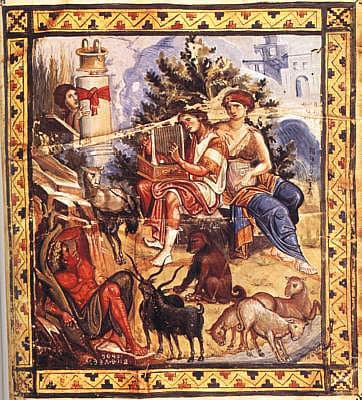 Psalm 22 describes a sufferer who is mocked, pierced, and stripped of his garments, centuries before Jesus. See how closely it parallels the crucifixion.
- ArticleProphecy
Prophecy of the Humble King: Zechariah 9:9
 Zechariah 9:9 foretold a humble, righteous king; Jesus’s entry on a donkey fulfills this Messianic prophecy with peace and divine authority.
- ArticleHistorical
Hezekiah’s Tunnel and the Siloam Inscription
 Discover Hezekiah’s Tunnel Siloam Inscription, an archaeological find confirming biblical history in the 8th century BC.
- ArticleProphecy
Daniel 9: The Maccabean Interpretation Examined
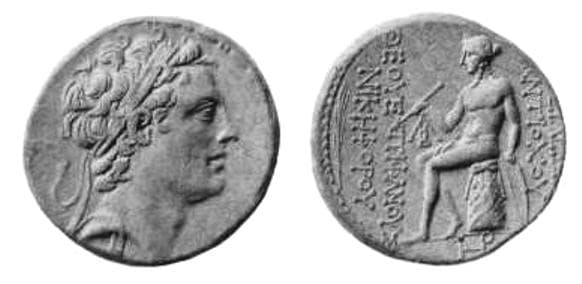 Examine the strongest case for the Maccabean interpretation of Daniel 9, and why the evidence points beyond Antiochus IV to Jesus and AD 70.
- ArticleProphecy
The Second Return of Israel: A Prophecy in Motion?
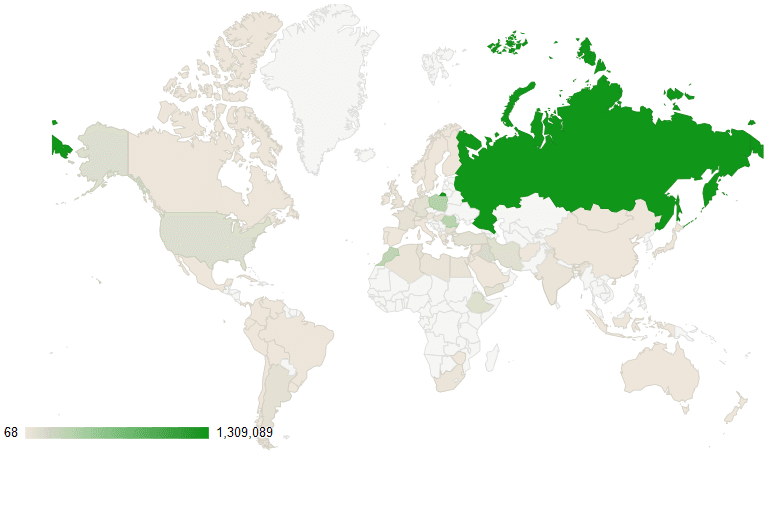 Could the Isaiah 11 prophecy foretell Israel’s modern return? This event invites reflection on God’s faithfulness and ancient promises.
- ArticleProphecy
The Sign of Isaiah 7:14 – Prophecy of a Virgin Birth
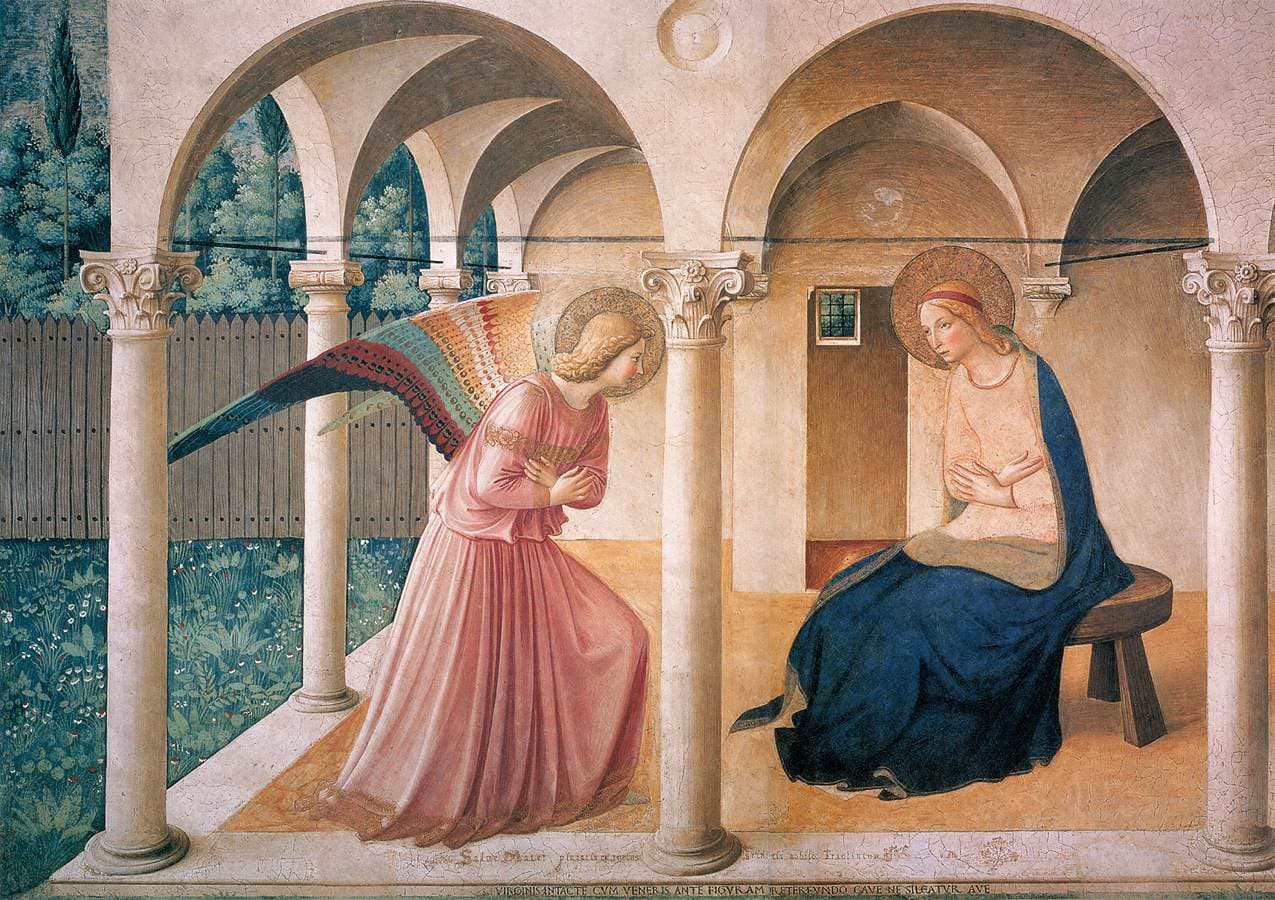 Isaiah 7:14 virgin birth prophecy: how a Jewish translation already read “virgin” long before Jesus, and how Immanuel, God with us, points to Christ.
- ArticleProphecy
The Prophecy of the Messiah’s Birthplace in Bethlehem
 Micah 5:2, the Messiah’s Birthplace Prophecy, predicts Bethlehem as the Messiah’s birthplace, highlighting God’s eternal plan.
- ArticleHistorical
The Ketef Hinnom Silver Scrolls: Earliest Biblical Text
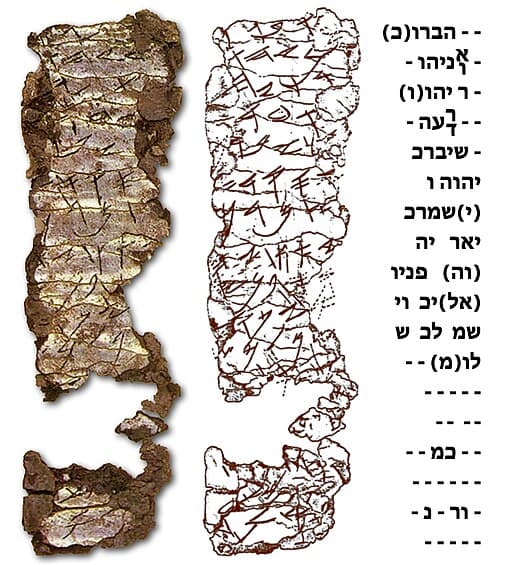 Discover the Silver Scrolls (Ketef Hinnom, 7th century BC), the earliest surviving biblical text, and their link to Numbers 6:24–26.
- QuestionBible foundations
Why do Catholic & Orthodox Bibles have more books than Protestant Bibles?
Catholic, Orthodox, and Protestant Bibles do not have identical Old Testament canons. - QuestionBible foundations
How do we avoid seeing patterns everywhere?
Begin with connections Scripture itself makes. The New Testament calls Christ our Passover lamb (1 Corinthians 5:7), presents Him as the Lamb of God (John 1:29), describes His sacrifice as the greater and final offering… - QuestionBible foundations
Was 1 John 5:7–8 Added Later?
Yes, but only part of it: the longer wording about the Father, the Word, and the Holy Spirit found in the KJV was added later, while the rest of the passage is not in question. This longer phrase is often called the Comma Johanneum. - QuestionBible foundations
Was the Trinity Borrowed from Pagan Triads?
There is no good historical evidence that the Trinity was copied from pagan triads. Ancient religions certainly did have groups of three deities, but sharing the number three does not make them the same belief. Egyptian groups such as Osiris, Isis, and Horus were distinct deities in a father-mother-son divine family, while the Roman Capitoline Triad consisted of Jupiter, Juno, and Minerva. Christianity makes a very different claim: there is one God, while the Father, Son, and Holy Spirit are personally distinct. - QuestionBible foundations
Does prophecy give us an exact end-times schedule?
Not one on which all careful readers agree. Biblical prophecy gives firm Christian hopes, including Christ's return, resurrection, judgment, the defeat of evil, and the renewal of creation. - QuestionBible foundations
Can we trust that the Bible was preserved over time?
Yes. The Bible was not preserved through one fragile copy, but through a wide trail of manuscripts, ancient translations, and early quotations. - QuestionBible foundations
Does John 17 Mean the Father and Son Are Only One in Purpose?
No. John 17 does not teach that the Father and Son are only one in purpose. Jesus does pray that believers would share a real unity with one another and with God, but that comparison does not reduce the Father and Son’s unity to purpose alone. It tells us something about their unity, not everything that is true about their relationship. - QuestionBible foundations
Why do Jewish and Christian readers understand these patterns differently?
Both begin with Israel's Scriptures and recognize the importance of Passover, sacrifice, temple, kingship, exile, and restoration. - ArticleScience
Understanding “Day” in Genesis 1: Does It Really Mean 24 Hours?
 Explore the meaning of ‘days’ in Genesis 1. Learn why the Hebrew word ‘yom’ may not imply 24 hours, and how ancient Jewish and Christian interpretations reveal deeper theological insights.
- ArticleHistorical
The Masoretic Text: The Standard Hebrew Bible
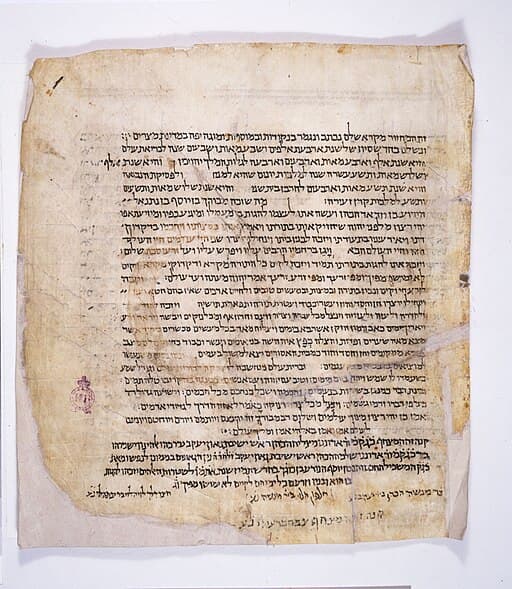 Explore the Masoretic Text, the traditional Hebrew version of the Old Testament. Learn how Jewish scribes preserved Scripture from ancient times, its relation to the Septuagint, and its enduring influence on modern Bible translations.