
Search
133 results for “Messiah”
- FindingData & analytics
Very happily married
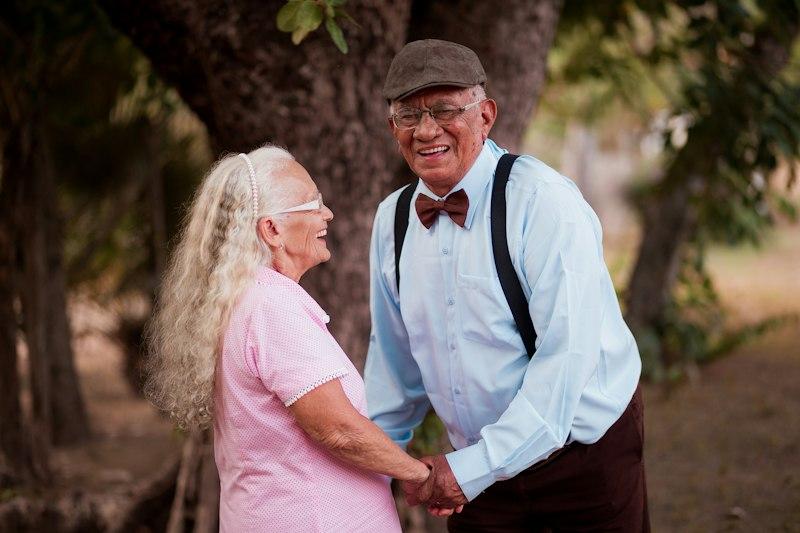 Among married adults ages 20 to 54, 79% of churchgoing Catholics and 74% of churchgoing Protestants said they were very happily married, compared with 66% of nonreligious spouses. The gap held after accounting for education, race, age and sex.
- FindingData & analytics
Have fostered a child
 Christians are about three times as likely as religious nones to have fostered a child.
- FindingData & analytics
Reconvicted after prison
 Inmates who took part in InnerChange, a Christian prison program in Minnesota, were less likely to be reconvicted after release than similar inmates who did not. They were also less likely to be rearrested or sent back to prison for a new crime. An earlier evaluation of the program in Texas found lower rearrest rates only among inmates who completed it. Across everyone who entered the program, including those who left early, rearrest rates were about the same as those of similar inmates.
- QuestionBible foundations
Does “old” mean outdated?
No. “Old Testament” means it came before Jesus, not that it is unimportant. Christians read the Old Testament as Scripture that reveals God, shows humanity’s need, and prepares the way for the Messiah. - FindingData & analytics
Highest volunteering rate
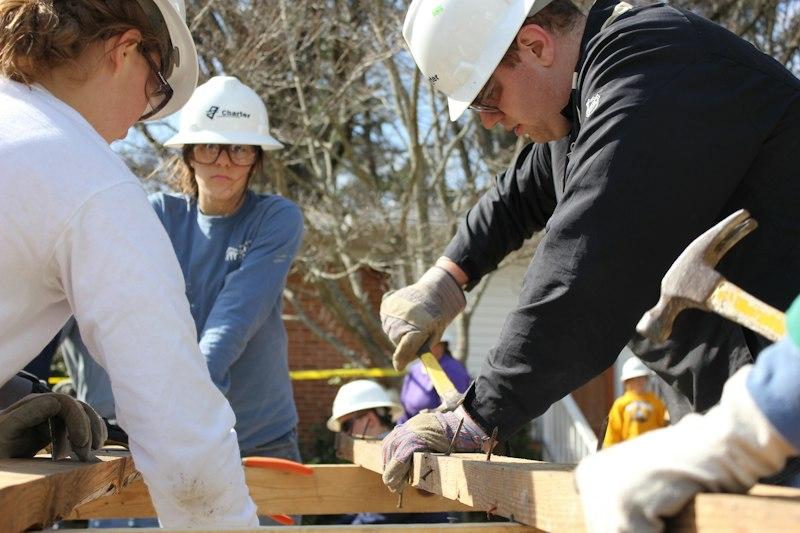 **Christians were the most likely group to volunteer in 13 of 21 countries.** The nonreligious were the least likely in 11 of the 16 countries where they could be compared, and the most likely in two, Poland and Turkey.
- QuestionBible foundations
Why do people need rescue?
God's standard is perfect holiness, not simply being better than other people (Matthew 5:48). - FindingData & analytics
Anxiety among Gen Z adults
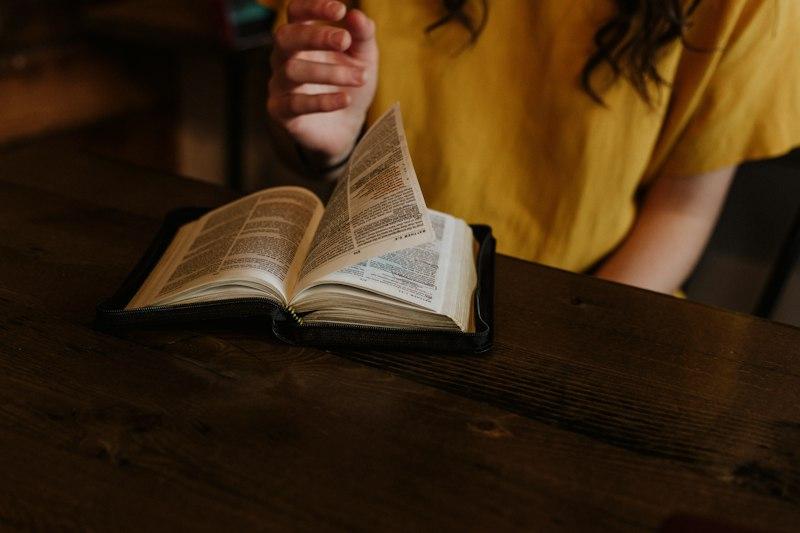 Scripture-engaged Gen Z adults reported lower anxiety scores than Bible-disengaged peers.
- FindingData & analytics
Global poverty volunteering
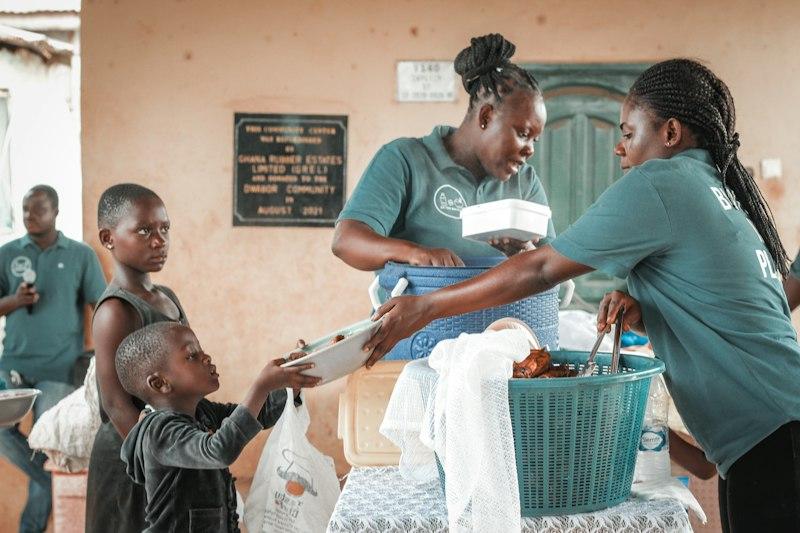 Practicing Christians are more likely to volunteer to fight global poverty.
- FindingData & analytics
Difficulty forgiving others
 People who engage with the Bible four or more days a week report lower odds of difficulty forgiving others.
- FindingData & analytics
Volunteered time to a cause
 Protestants and other Christians were more likely than Americans with no religion to have volunteered in the past year. Catholics fell between the two groups at 61%. Much of the gap comes from volunteering through churches and religious charities, where 58% of Protestants had served compared with 15% of atheists. For nonreligious charities alone, Protestants and atheists volunteered at about the same rate (49% vs. 50%).
- FindingData & analytics
Where missions were founded
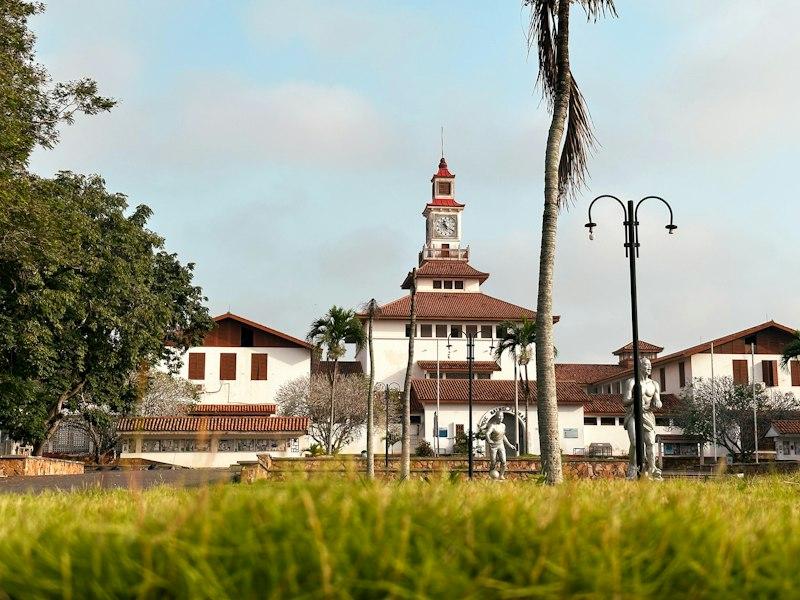 Using census records of Christian missions in Ghana and data from 43 African countries, this study found that missions were usually founded first in healthier, better-connected and wealthier places before spreading elsewhere. That means some of the later prosperity near missions may reflect where they were placed rather than what they did. Studies that compare mission sites with similar places nearby are designed to address this.
- FindingData & analytics
High flourishing among women
 Scripture-engaged women reported high flourishing at 59%, versus 26% among women who do not regularly engage.
- FindingData & analytics
Unkind thoughts about others
 People who engage with the Bible four or more days a week report lower odds of unkind thoughts about others.
- FindingData & analytics
Difficulty forgiving oneself
 People who engage with the Bible four or more days a week report lower odds of difficulty forgiving oneself.
- FindingData & analytics
Gave to child-welfare causes
 Christians are nearly twice as likely as religious nones to donate money or goods to child-welfare efforts.
- FindingData & analytics
Volunteered in the past year
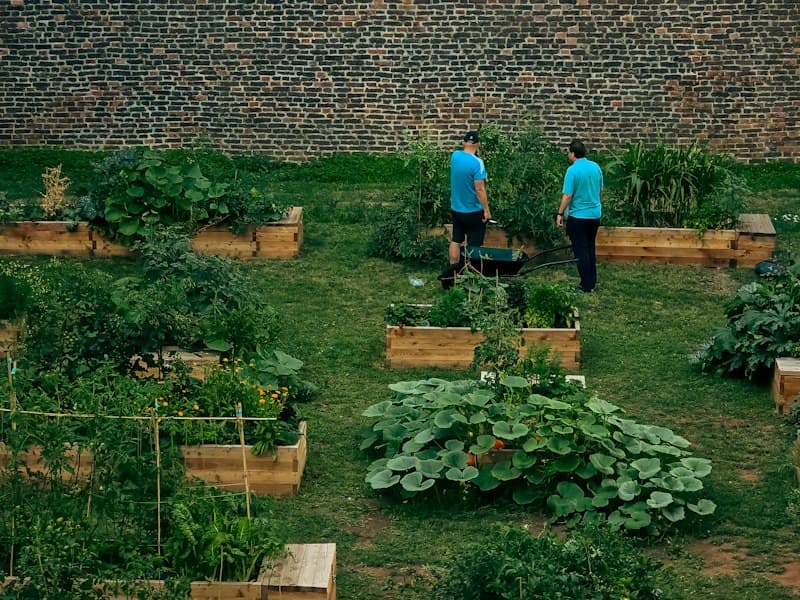 In Pew's 2023–24 survey of 36,908 U.S. adults, Christians were more likely than religiously unaffiliated adults to have volunteered for any organization in the past year. This comparison counts every self-identified Christian, including those who rarely attend, so the gap is smaller than in studies that compare regular attenders. Among the unaffiliated, atheists (44%) and agnostics (42%) volunteered at about the Christian rate, while those who described their religion as "nothing in particular" were lowest at 31%. The figures are self-reported and not adjusted for differences such as age, since Christians are older on average.
- FindingData & analytics
Seriously considered adoption
 Practicing Christians are more likely than all U.S. adults to have seriously considered adoption.
- FindingData & analytics
Hiding what one does or feels
 People who engage with the Bible four or more days a week report lower odds of hiding what one does or feels.
- FindingData & analytics
Giving to causes outside church
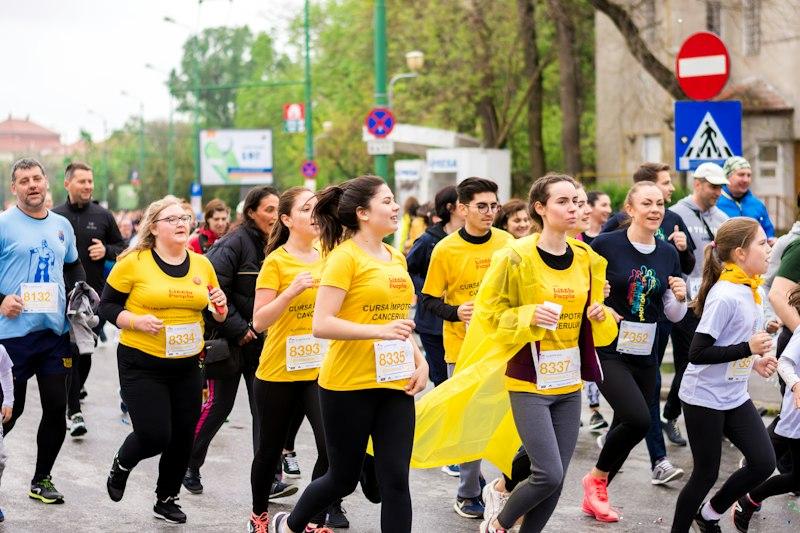 People who engage with the Bible four or more days a week are more likely to give to causes other than their own church.
- FindingData & analytics
Very satisfied with family life
 Christians are modestly more likely than unaffiliated adults to say they are very satisfied with their family life. The gap remained after Pew accounted for income and marital status.